Tracing the Influence of Artificial Intelligence on Personalized Offerings Within Global Sports Wagering Networks
Written by Amir Simon · Jul 16, 2026
Tracing the Influence of Artificial Intelligence on Personalized Offerings Within Global Sports Wagering Networks
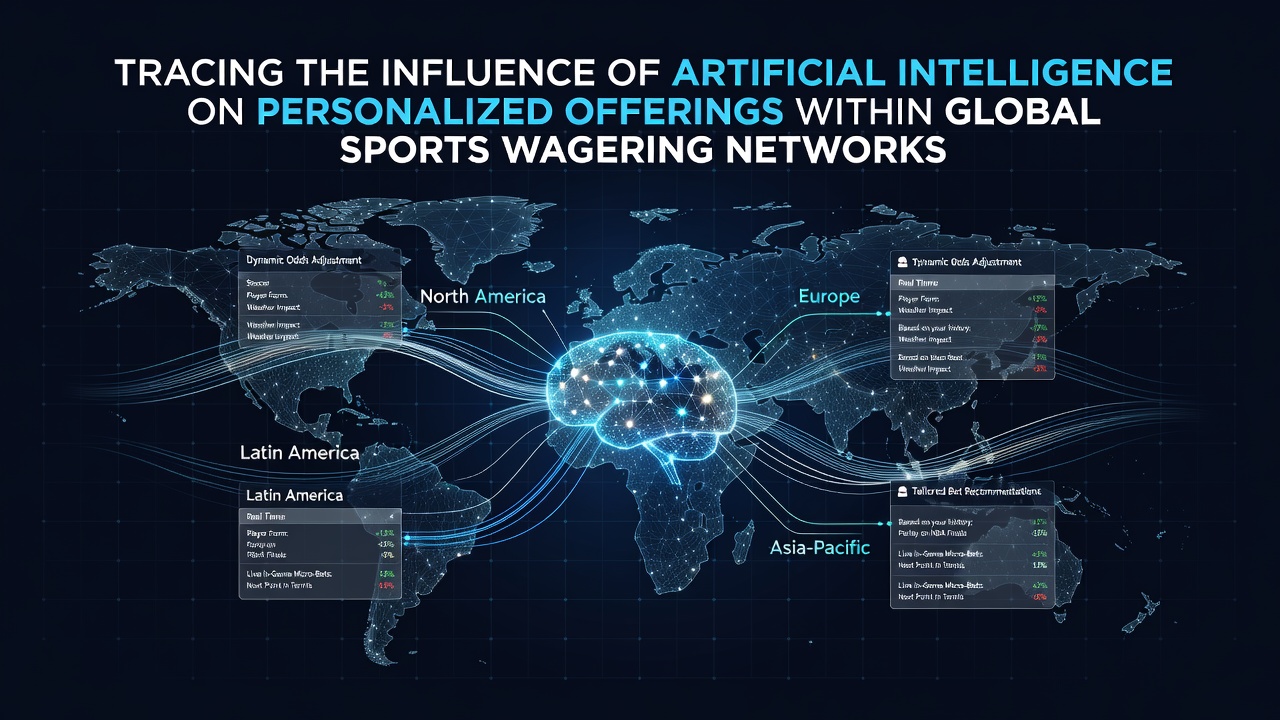
Artificial intelligence systems now drive much of the customization seen in sports wagering networks worldwide, where algorithms analyze user data to tailor bet suggestions, promotional offers, and interface layouts to individual patterns. These technologies process vast datasets from betting histories, device usage, and even time-of-day preferences to generate offerings that match specific player behaviors, and operators in multiple jurisdictions have integrated such tools since the mid-2010s.
Core Mechanisms Behind AI Personalization
Machine learning models examine sequences of past wagers, deposit amounts, and session lengths to predict what types of events or odds a user might engage with next, while reinforcement learning adjusts recommendations in real time based on immediate responses. Natural language processing scans social media signals and chat interactions to refine those predictions further, and collaborative filtering compares one account's activity against millions of others to surface similar options without direct user input. Data from sources like the Nevada Gaming Control Board shows that platforms employing these layers reported measurable shifts in engagement metrics by 2025, particularly in markets where mobile access dominates.
Geolocation data combines with these models to adjust available markets and bonus structures according to regional regulations, so a bettor in one province sees different football prop bets than someone logging in from another country. Predictive analytics also flag churn risks and trigger targeted incentives, such as free bets on specific leagues, delivered through push notifications timed to historical login peaks.
Regional Adoption Patterns Through Mid-2026
European operators began scaling AI personalization earlier than many counterparts, yet North American platforms accelerated deployment after regulatory clarity emerged in several states. In July 2026, several Canadian provinces updated their compliance frameworks to require transparency reports on algorithmic decision-making, prompting providers to document how models influence offer distribution. Australian wagering companies, operating under the Australian Communications and Media Authority guidelines, integrated similar systems to comply with responsible gambling mandates while still delivering customized odds boosts.
Asian markets present distinct applications because of varying legal structures, where AI helps operators segment users across multiple currencies and sports preferences. Observers note that these systems often prioritize live event micro-bets for users whose histories show shorter attention spans, while steady accumulators receive parlay builders tuned to their preferred team combinations. Research from the University of Nevada, Las Vegas gaming studies unit indicates that personalization depth correlates with session extension in controlled platform tests conducted through 2025.
Data Inputs and Ethical Boundaries
Operators feed models with anonymized transaction logs, clickstream records, and third-party demographic overlays purchased from data brokers, though jurisdictions increasingly limit the scope of allowable inputs. The New Jersey Division of Gaming Enforcement, for instance, mandates audits that verify models do not target vulnerable groups with disproportionate intensity. These safeguards emerged after earlier implementations revealed patterns where high-frequency users received escalating incentives that extended play beyond initial intentions.
Real-time A/B testing runs continuously across user cohorts to measure lift from different personalization variants, and results feed back into model retraining cycles that occur weekly or even daily on major platforms. Such loops allow rapid adaptation when major sporting events shift global attention, like during international tournaments where interest spikes in previously low-engagement regions.
Impact on Retention and Revenue Streams
Figures released by several large networks reveal that personalized push notifications and dynamic homepage layouts produce higher click-through rates than generic campaigns, with conversion improvements documented in internal reports shared at industry conferences. Yet retention gains appear uneven across player segments, as casual users respond more readily to novelty offers while experienced bettors show preference for statistical depth in recommendations.
Cross-border networks face additional complexity because AI systems must reconcile conflicting rules on bonus structures and advertising claims. Some operators deploy federated learning techniques that keep raw user data localized while still allowing aggregate model improvements, a method that satisfies stricter European data protection standards without sacrificing global optimization.
Future Trajectories for Algorithmic Wagering
Emerging integrations include voice-activated betting interfaces that adapt suggestions based on spoken preferences and wearable device data that could influence session limits, though regulatory approval for the latter remains limited as of July 2026. Partnerships between wagering firms and academic research centers continue to explore bias detection methods that prevent models from reinforcing existing betting patterns that might conflict with harm-minimization goals.
Industry associations such as the International Association of Gaming Regulators have begun hosting working groups focused on standardizing disclosure requirements for AI-driven offers, aiming to create consistent practices across borders. These efforts coincide with growing scrutiny from consumer protection agencies that examine whether personalization techniques cross into inducement territory under existing statutes.
Conclusion
Artificial intelligence has become integral to how global sports wagering networks structure personalized offerings, relying on layered data analysis and adaptive algorithms that respond to individual histories while navigating diverse regulatory landscapes. Continued refinement of these systems, coupled with evolving oversight frameworks, will determine the scope and transparency of customization available to participants in coming years.