Tracing Patterns in Notification Frequency and Timing That Drive Repeat Logins Across Competing Digital Wagering Services
Written by Sam Hughes · Aug 3, 2026
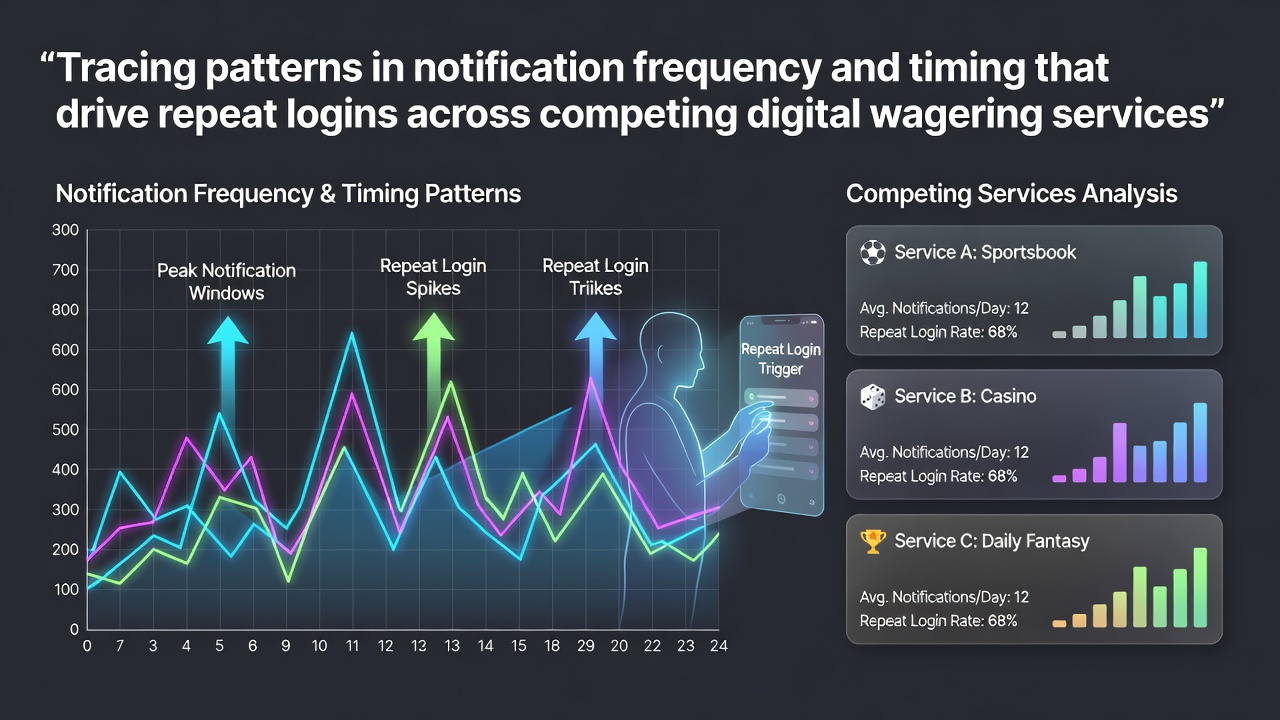
Tracing Patterns in Notification Frequency and Timing That Drive Repeat Logins Across Competing Digital Wagering Services
Digital wagering platforms track notification frequency and delivery windows closely because those variables correlate with login rates across competing services, and analysts in August 2026 continue to examine how operators adjust push alerts to maintain user engagement without triggering fatigue.
Frequency Thresholds Observed in Industry Data
Studies released earlier this year by research groups in North America and Europe show that services sending between three and five targeted notifications per day record higher repeat-login percentages than those exceeding seven daily messages, while lower volumes below two alerts correlate with reduced session starts. Observers note that operators test these bands through A/B splits that segment users by activity level, and results indicate mid-frequency approaches sustain longer retention curves when combined with event-specific triggers such as pre-match reminders or deposit confirmations.
Timing Windows That Align With User Behavior
Data from platform analytics firms reveal that notifications delivered between 7:00 p.m. and 9:00 p.m. local time generate the strongest immediate login spikes, whereas morning windows between 8:00 a.m. and 10:00 a.m. produce steadier but smaller lifts across weekday patterns. Evening timing benefits from post-work availability, and analysts tracking August 2026 metrics observe that services which stagger alerts by time zone achieve more consistent cross-region engagement than those using uniform global sends. Weekend patterns shift slightly later, with peak responses occurring between 6:00 p.m. and 11:00 p.m. according to aggregated logs from multiple operators.
Competing services differentiate themselves by varying cadence around live events, and one mid-sized European platform reported that shortening intervals between alerts during major tournaments increased login attempts by measurable margins without raising opt-out rates beyond baseline levels.
Cross-Platform Competition and Alert Strategies
Operators monitor rival notification patterns through publicly available app-store data and third-party tracking tools, then adjust their own schedules to avoid overlap that dilutes impact. Platforms that space messages at least four hours apart maintain higher open rates than those clustering multiple alerts within shorter periods, and researchers at academic institutions have documented these spacing effects in longitudinal user panels. In regions with multiple licensed providers, services that personalize timing based on individual login history outperform generic schedules, because tailored windows match observed user routines more precisely.
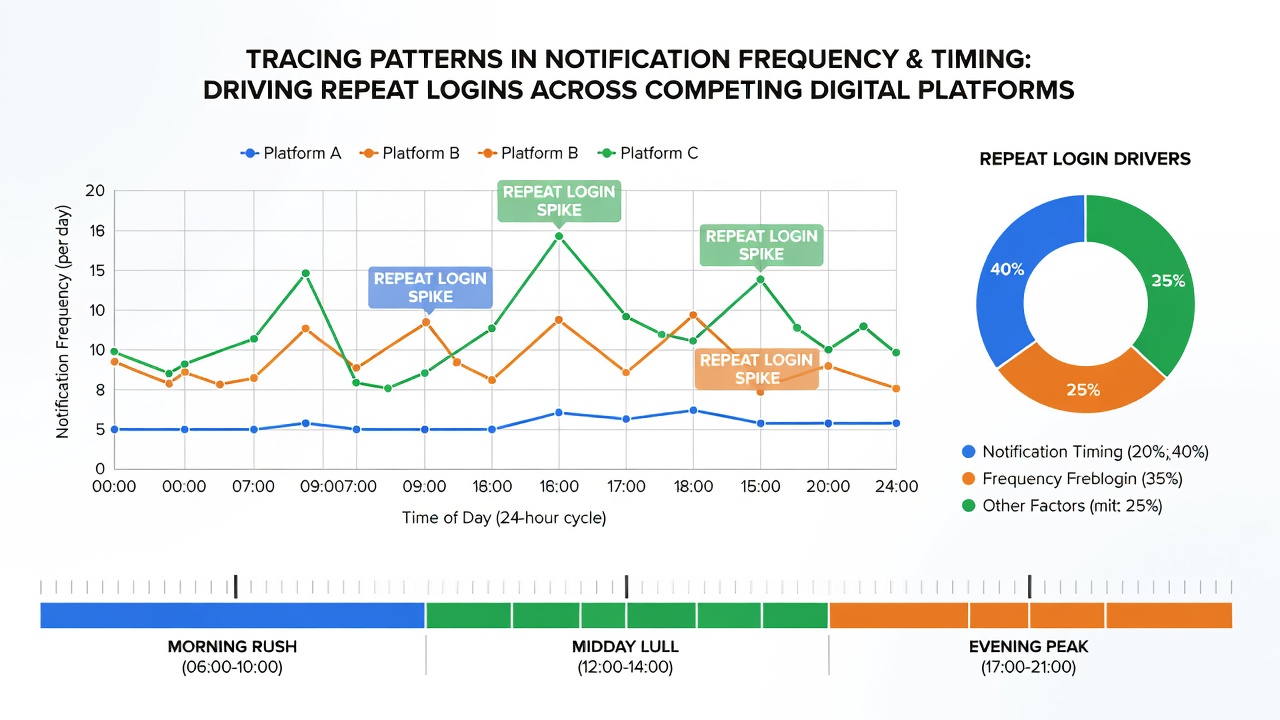
Canadian regulatory summaries and reports from the Canadian Centre for Gaming Research highlight how frequency adjustments affect player activity metrics, while an independent study published in the Journal of Gambling Issues examined timing variables across several jurisdictions and found consistent correlations between evening delivery and next-day returns. These findings encourage platforms to refine algorithms that predict optimal send times for distinct user cohorts.
Retention Metrics Linked to Notification Variables
Retention curves compiled from operator dashboards indicate that users receiving well-timed notifications at moderate frequency return to the app within twenty-four hours at rates twenty to thirty percent higher than control groups exposed to random schedules. Metrics tracked through August 2026 show that combining frequency limits with event-driven timing produces additive effects, because alerts tied to live matches or account milestones capitalize on existing interest while avoiding generic repetition. Services that cap total weekly notifications near twenty messages record lower churn compared with those allowing higher volumes, and segmentation by device type reveals mobile users respond more strongly to evening windows than desktop users.
Regulatory Context and Platform Adjustments
Agencies such as the Australian Communications and Media Authority have issued guidance on responsible messaging practices, and operators incorporate these parameters into their notification engines to balance engagement goals with compliance requirements. In practice, platforms that embed frequency caps directly into campaign tools achieve steadier login patterns while staying within recommended thresholds, and comparative analyses across jurisdictions show that localized timing rules further improve performance when they account for regional work and leisure schedules.
Conclusion
Patterns in notification frequency and timing continue to shape repeat-login behavior across digital wagering services, with available data pointing to moderate daily volumes, evening delivery windows, and event-aligned spacing as recurring factors in observed outcomes. Platforms refine these variables through ongoing testing and cross-reference results against regulatory frameworks from multiple regions, producing measurable differences in user return rates. As competition intensifies, the ability to align alerts with documented behavioral rhythms remains a central element of platform strategy.