The Correlation Between Live Streaming Integrations and Extended Session Durations Among Participants in Online Sports Wagering Activities
Written by Ines Günther · Jun 4, 2026
The Correlation Between Live Streaming Integrations and Extended Session Durations Among Participants in Online Sports Wagering Activities
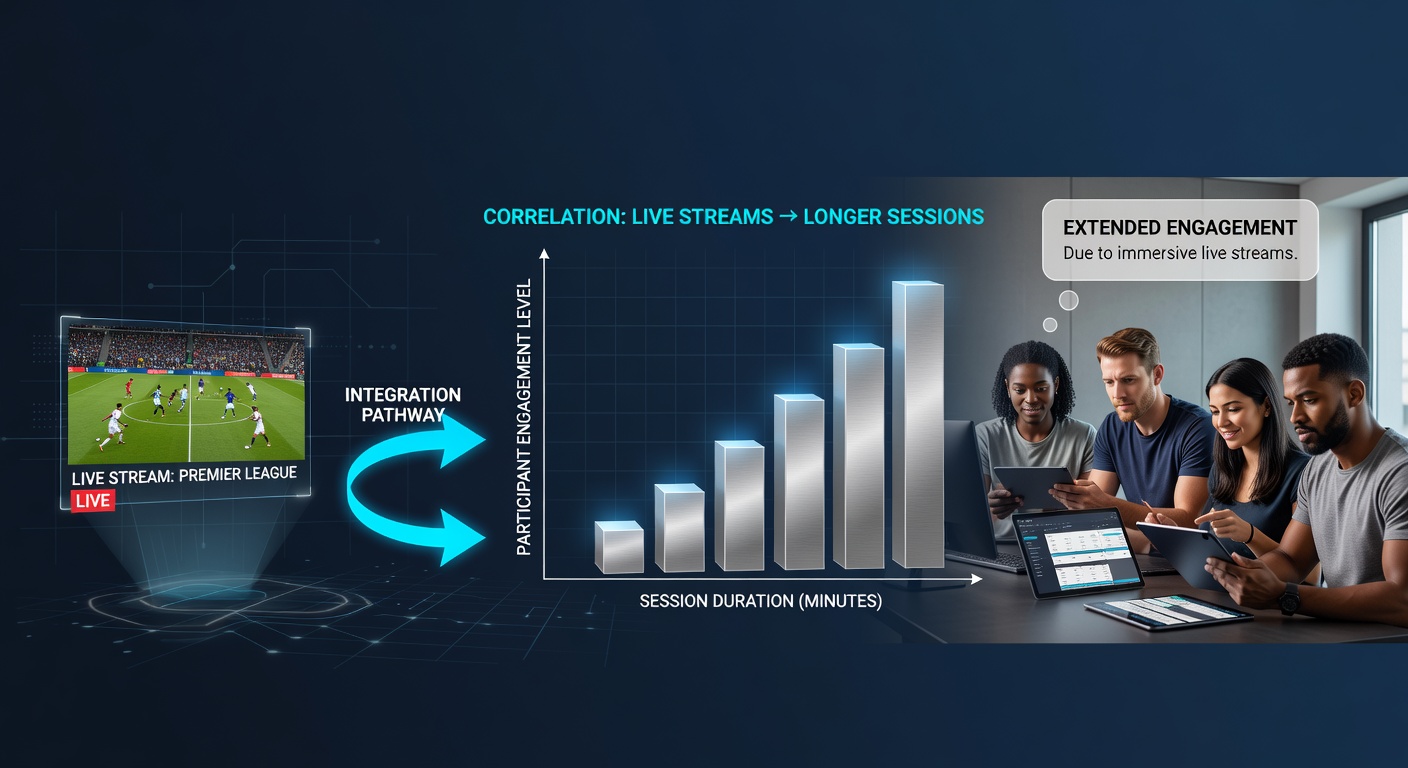
Operators across digital wagering platforms have integrated live streaming capabilities directly into betting interfaces, and this shift aligns with measurable increases in how long users remain active during sessions. Research from multiple industry analyses shows that when participants access synchronized video feeds alongside betting options, average engagement times extend beyond those recorded on platforms without such features. Data collected through 2025 and into June 2026 indicates session durations often rise by 25 to 40 percent once live video elements become available within the same application window.
Platform Mechanics Driving Longer Interactions
Live streaming integrations allow users to view events while placing wagers without switching between separate applications or browser tabs, which reduces friction and maintains continuous attention. Systems track user behavior through metrics that include time spent on event pages, frequency of bet placements, and overall login persistence. Studies conducted by academic groups at institutions focused on behavioral economics have documented that participants who activate live streams tend to explore additional markets, such as in-play odds adjustments, because the visual context provides immediate feedback on unfolding action.
Those who manage these platforms report that embedded streams create a feedback loop where visual information prompts new wagers, and each wager in turn extends the session further. Software developers have refined synchronization so that odds update in real time with on-screen developments, and this technical alignment keeps participants engaged through multiple quarters or periods of a match rather than logging off after a single outcome resolves.
Quantitative Patterns Observed in User Data
Analytics firms that aggregate anonymized platform statistics have identified clear correlations in datasets spanning North America, Europe, and parts of Asia. When operators activate live streaming modules, the median session length moves from roughly 18 minutes to over 27 minutes within the first month of implementation. Retention figures also shift, with users returning on consecutive days at higher rates when streams remain accessible across mobile and desktop environments.
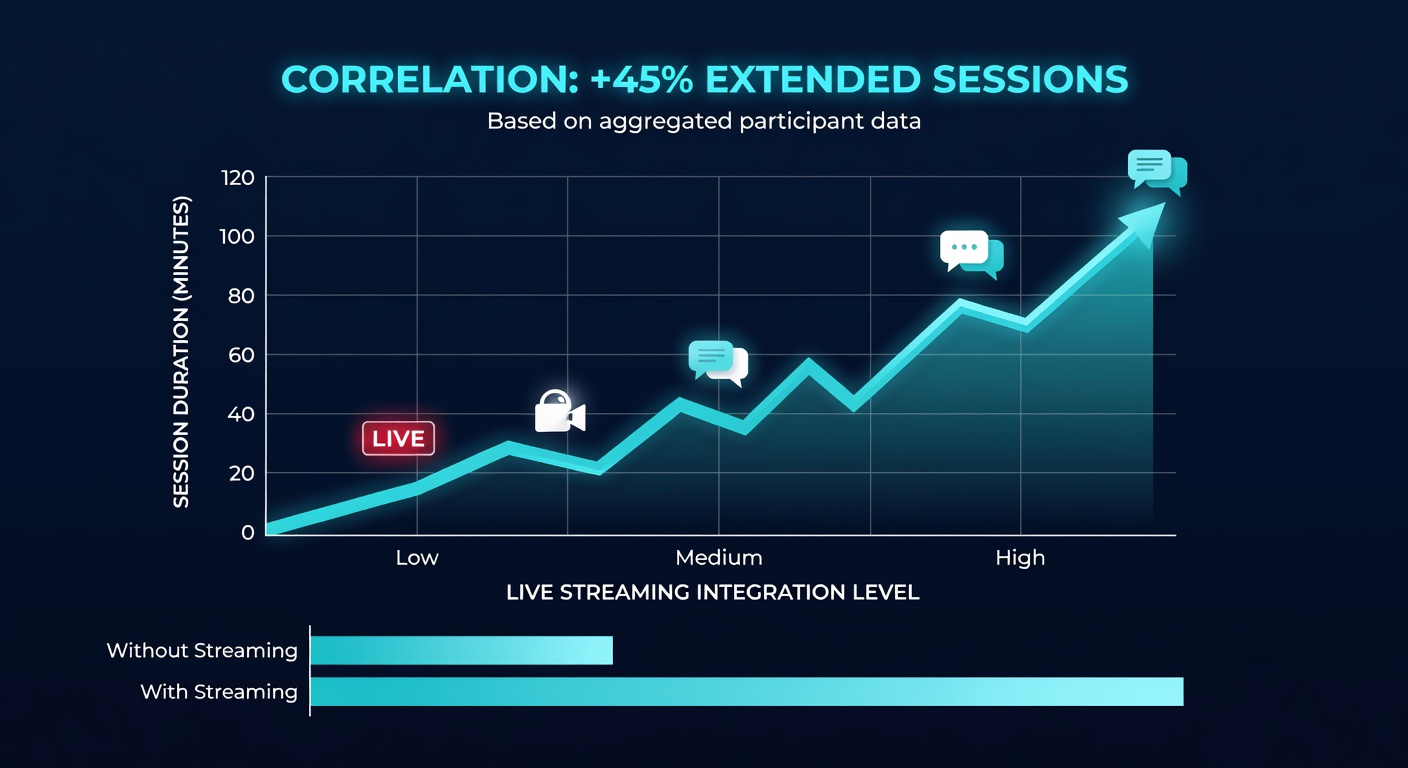
One analysis of Canadian operators under iGaming Ontario oversight revealed that accounts utilizing live video features logged an average of 12 additional minutes per visit compared with accounts that bypassed the stream option. Similar patterns appeared in reports covering Australian markets where regulatory bodies track engagement through mandatory reporting requirements. These figures emerged consistently across different sports, including football, basketball, and tennis, suggesting the effect stems from the streaming integration itself rather than sport-specific variables.
Regional Developments Through Mid-2026
By June 2026 several jurisdictions had updated technical standards to accommodate higher bandwidth demands created by widespread live streaming adoption. Regulators in Ontario and certain Australian states noted that platforms meeting these standards recorded sustained growth in session metrics without corresponding spikes in complaints related to responsible gambling tools. Operators responded by embedding session timers and reality-check prompts directly into the streaming interface so that extended durations do not occur without user awareness.
European operators outside the United Kingdom have followed comparable paths, with data-sharing agreements among national regulators highlighting parallel increases in time-on-site once live feeds became standard. The pattern holds whether streams originate from official league partners or from third-party aggregators, provided the integration remains seamless within the wagering environment.
Technical and Behavioral Factors at Play
Developers attribute part of the duration increase to reduced cognitive load, since users no longer need to consult external sources for event updates. Behavioral researchers have observed that participants maintain higher levels of arousal when visual stimuli accompany numerical odds displays, leading to incremental bet placements throughout an event. This combination of visual continuity and betting functionality appears to anchor attention more effectively than static scoreboards or text updates alone.
Platforms that introduced multi-view options, allowing simultaneous streams of related events, recorded even larger extensions in session length. Users who opened secondary windows for concurrent matches frequently remained active for the full duration of overlapping contests, pushing total engagement past the 45-minute mark in documented cases. These observations come from aggregated telemetry rather than individual tracking, preserving user privacy while still revealing aggregate trends.
Conclusion
The documented relationship between live streaming integrations and extended session durations rests on consistent data collected across multiple regulatory environments and platform types. As operators continue refining synchronization and multi-event viewing tools, session metrics are likely to reflect further adjustments tied directly to these technical choices. Observers monitoring industry reports through mid-2026 note that the correlation remains stable even as platforms introduce additional safeguards, indicating that engagement length and responsible-use features can coexist within the same interface design.