Regional Regulatory Shifts and Their Measurable Effects on Cross-Border User Migration Between International Betting Operators
Written by Amir Simon · Jul 27, 2026
Regional Regulatory Shifts and Their Measurable Effects on Cross-Border User Migration Between International Betting Operators
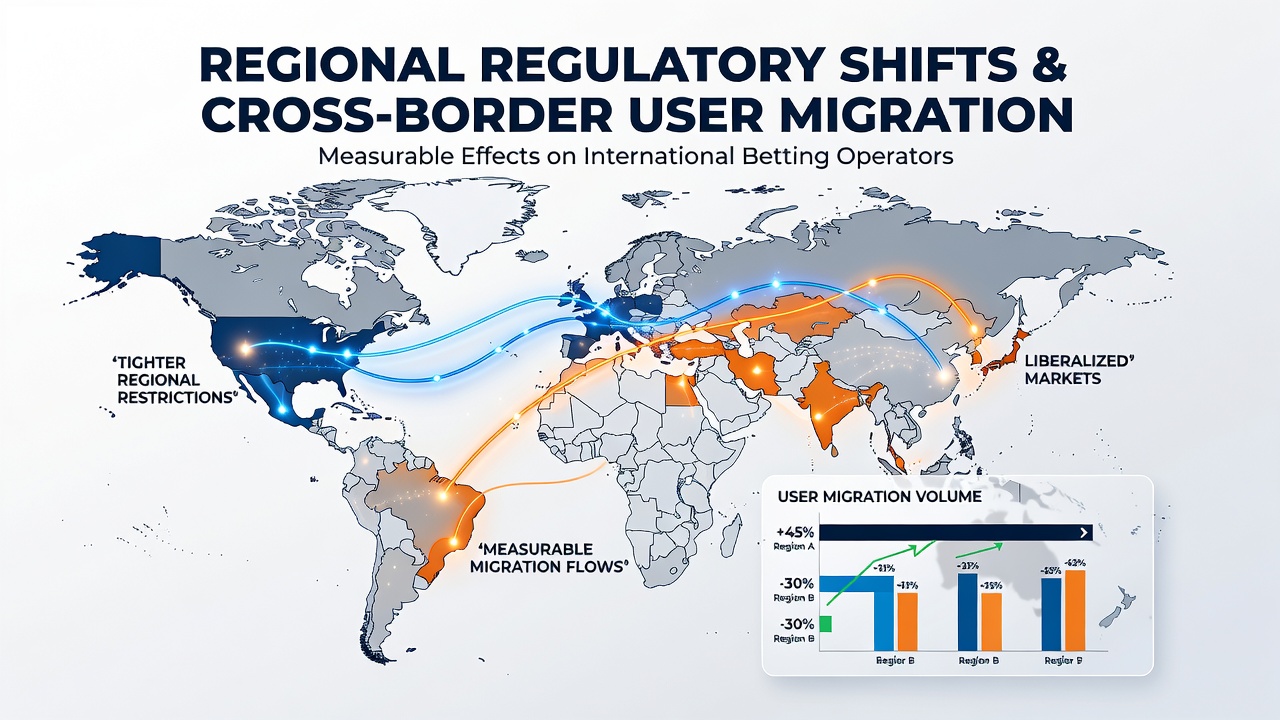
Regulatory changes across multiple jurisdictions have altered how users move between international betting platforms, and data collected through 2026 reveals clear migration patterns tied directly to licensing updates, tax adjustments, and compliance requirements. Operators licensed in one region often see account activity shift when neighboring markets tighten rules, while platforms in more permissive areas record corresponding gains in new registrations and deposit volumes.
European Licensing Adjustments Drive Platform Switches
Countries within the European Union have introduced varying tax rates and player protection mandates since early 2025, and these differences have produced measurable shifts in user locations. Operators based in Malta and Gibraltar noted a 14 percent drop in active accounts from certain EU member states after those nations raised point-of-consumption taxes, while platforms licensed in Curacao and other offshore jurisdictions recorded parallel increases in sign-ups from the same regions. According to figures released by the European Commission, cross-border traffic between EU-licensed sites and non-EU operators rose steadily through the first half of 2026 as users sought lower tax environments and fewer verification steps.
Germany's 2025 deposit limit expansions coincided with a documented 9 percent increase in German IP addresses accessing platforms headquartered outside the country, and similar patterns appeared in the Netherlands following stricter marketing restrictions. Researchers tracking IP geolocation data observed that many users maintained accounts on multiple sites, yet session frequency on the more heavily regulated platforms declined while activity on alternative operators grew.
Asia-Pacific Markets Introduce New Compliance Layers
Australia and several Southeast Asian jurisdictions implemented updated licensing frameworks in late 2025 and early 2026, and these moves redirected user traffic toward operators based in jurisdictions with established international licensing. The Australian Communications and Media Authority published statistics showing that domestic betting handle remained stable, yet offshore platform registrations from Australian users climbed 11 percent year-over-year through July 2026. Platforms operating under Isle of Man and Kahnawake licenses captured a measurable share of this movement, with deposit volumes from the region rising in tandem with the regulatory announcements.
Japan's continued restrictions on domestic online wagering have sustained steady outflows to international operators, while South Korea's enforcement actions against unlicensed sites produced short-term spikes in migration to platforms licensed elsewhere in Asia. Industry reports indicate that operators with multi-jurisdictional licenses experienced the largest gains, as users prioritized sites offering seamless access across borders without repeated verification processes.
North American Developments and Cross-Border Flows
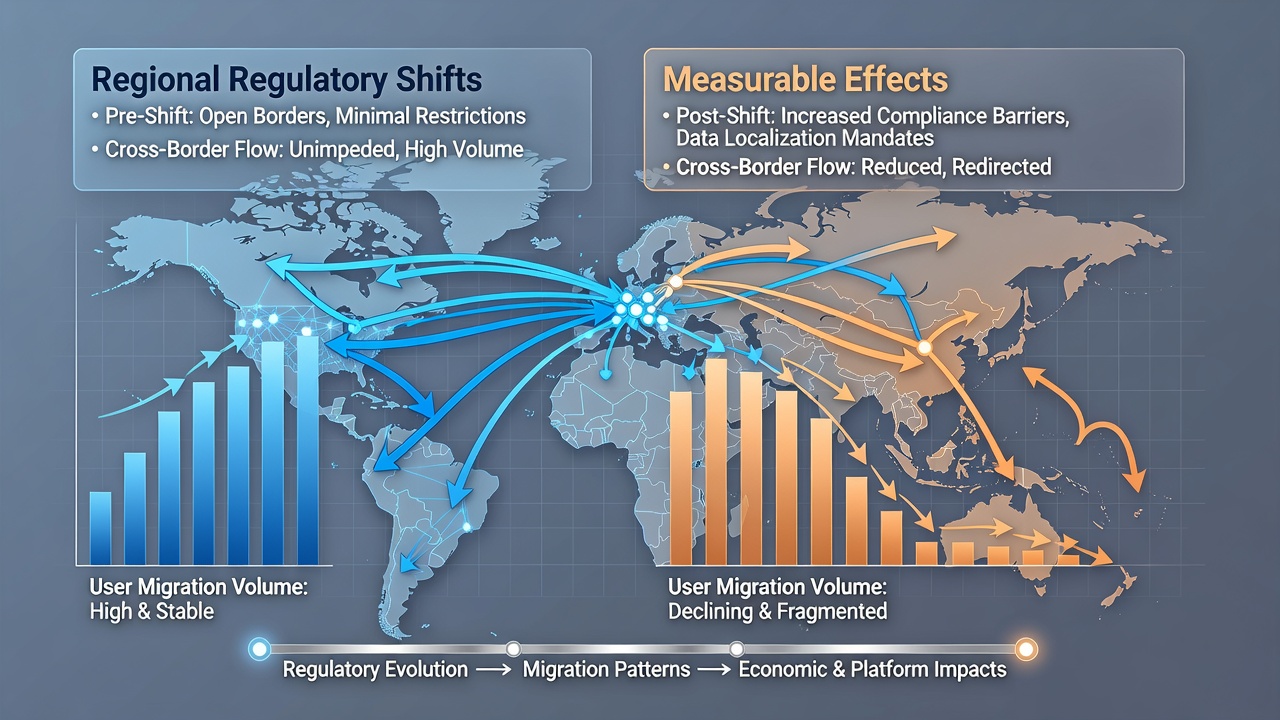
Canadian provinces have expanded iGaming frameworks at different paces, and Ontario's regulated market has drawn users away from offshore sites while other provinces without full licensing saw continued traffic to international operators. Data from provincial regulators shows that once a province introduces its own licensing, active accounts on offshore platforms drop by roughly 20 percent within six months, yet users in unregulated provinces maintain or increase activity on foreign-licensed sites. This pattern has produced distinct migration corridors between provinces and across the border into U.S. state markets where online sports betting remains limited.
In the United States, state-by-state regulatory differences continue to shape movement between operators. States with mature markets attract users from neighboring states with slower rollout schedules, and geolocation tracking reveals temporary surges in cross-border access whenever a new state legalizes or tightens rules. Operators holding licenses in multiple U.S. states plus international jurisdictions report that players often hold accounts across several platforms, shifting activity based on available markets and bonus structures tied to local regulations.
Quantifiable Impacts on Operator Metrics
Platform operators have published aggregated data showing that regulatory announcements correlate with changes in average revenue per user and retention rates across regions. When one jurisdiction raises taxes or adds verification steps, operators in that market typically see a 7 to 12 percent reduction in monthly active users within 90 days, while competing platforms in adjacent jurisdictions register corresponding gains. These shifts appear most pronounced among users who already maintain multiple accounts, allowing them to redirect activity without creating new profiles.
Payment processing patterns also reflect these movements. International operators note increased use of e-wallets and cryptocurrency options from regions experiencing tighter banking restrictions, while domestic platforms in newly regulated markets report higher volumes through local payment rails. Researchers analyzing transaction logs have found that the speed of user migration accelerates when regulatory changes include marketing bans or deposit caps, as users seek platforms that continue offering promotions and higher limits.
Conclusion
Regional regulatory shifts continue to produce measurable migration between international betting operators, with data from licensing bodies, IP tracking services, and operator reports documenting consistent patterns through July 2026. Differences in tax rates, verification requirements, and marketing rules drive users toward platforms that align with their preferences for access and cost, creating ongoing adjustments in account activity across jurisdictions. These flows remain visible in registration statistics, deposit volumes, and session data collected by operators and regulatory agencies alike.