In-Play Betting's Surge: Live Wagering Features Redefining Sports Engagement
Written by Ines Günther · Apr 13, 2026

In-Play Betting's Surge: Live Wagering Features Redefining Sports Engagement
The Rise of Live Wagering in Modern Sports
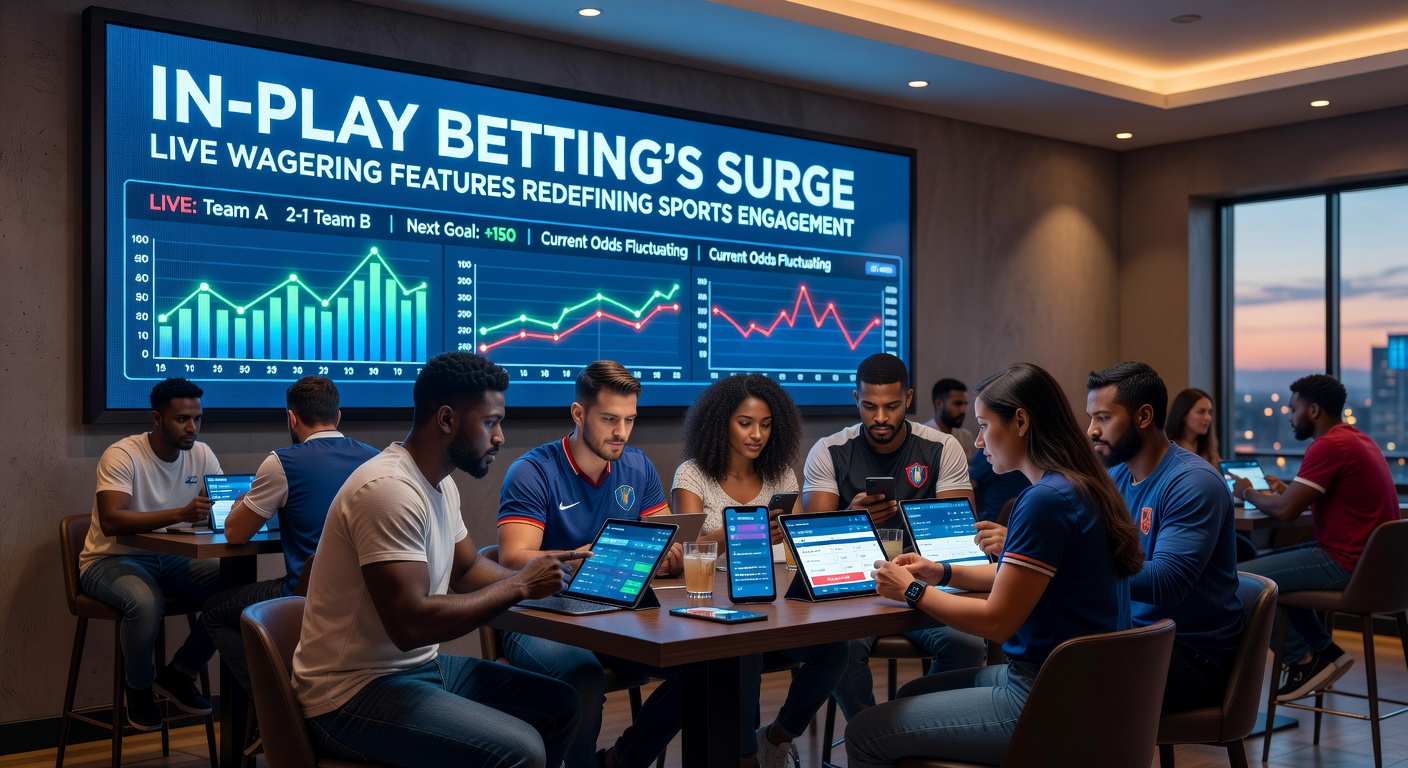
Sports fans tune in not just for the thrill of the game anymore, but for the pulse-pounding action of placing bets as plays unfold; data from global market analysts reveals that in-play betting, also known as live wagering, now accounts for over 60% of total sports betting handle in key markets, a figure that climbed steadily through 2025 and shows no signs of slowing into April 2026. Operators report surges during high-stakes events like the Super Bowl or UEFA Champions League matches, where bettors wager on everything from the next goal scorer to momentum shifts in real time, turning passive viewing into interactive spectacles. What's interesting is how this shift coincides with mobile app adoption rates hitting 85% among bettors under 35, according to industry trackers, blending seamless tech with the raw energy of live sports.
Take soccer, for instance; during the 2025 World Cup qualifiers, live bets spiked by 45% compared to pre-match wagers, as fans reacted to red cards, substitutions, and sudden leads, creating a feedback loop that keeps eyes glued to screens longer than ever. Researchers who've studied viewer behavior note that such engagement boosts average watch times by up to 30%, since bettors stick around to see if their in-play picks pay off, reshaping how leagues measure fan loyalty.
Key Features Driving the In-Play Boom
Live wagering thrives on innovative tools that operators roll out to capture every twist; cash-out options let bettors lock in profits or cut losses mid-game, a feature that data shows users activate in 25% of sessions, while live streaming integrates directly into apps, allowing wagers without leaving the broadcast. But here's the thing: dynamic odds adjustments, powered by algorithms crunching play-by-play data, refresh every few seconds, offering bets on micro-events like corner kicks in basketball or possession stats in tennis, which appeal to data-savvy fans seeking an edge.
And then there are combo features like bet builders, where users craft custom parlays on the fly—say, combining a quarterback's next pass completion with total yards—features that have proliferated since major platforms introduced them in 2023, leading to a 70% uptick in average bet size during live events. Observers point out how these elements, combined with push notifications for hot odds, create urgency that mirrors the game's pace, pulling users deeper into the experience.
- Cash-out functionality reduces risk by settling bets early.
- Live stats overlays provide instant insights, from player heat maps to pace-of-play metrics.
- Multi-live windows let bettors track several games simultaneously, multiplying engagement opportunities.
Technology Fueling Real-Time Betting Evolution
Behind the seamless flow lies cutting-edge tech; AI-driven odds engines process thousands of data points per minute, from player fatigue models to weather impacts on outdoor games, ensuring odds reflect the latest realities faster than human traders ever could. Streaming partnerships with leagues deliver 4K feeds embedded in betting interfaces, while 5G networks slash latency to under 100 milliseconds, making mobile in-play as responsive as desktop setups.
Turns out, blockchain integrations for faster payouts are gaining traction too, with some platforms settling winning live bets within seconds via crypto wallets, a move that pilot programs in Europe tested successfully in late 2025. Experts who've analyzed server logs discover that these advancements correlate with session lengths extending 40% beyond traditional betting, as users chase evolving markets without interruption.
Global Market Growth and Regional Nuances
The surge hits differently across borders; in the US, where sports betting legalized in more states post-2018, American Gaming Association figures reveal in-play wagers comprised 55% of the $120 billion handle in 2025, with NBA and NFL games leading the charge as fans bet on live spreads that tighten with every timeout. Australia sees similar patterns, as reports from the Australian Gambling Research Centre indicate live betting volumes doubled since 2022, fueled by AFL and cricket's natural stop-start rhythms ideal for mid-innings wagers.
Over in Canada, Ontario's iGaming market exploded after 2022 launch, with live soccer bets dominating due to European league popularity, while Asia's regulated hubs like Japan eye expansions by April 2026 amid projected 15% annual growth. Data indicates these regional flavors—tailored odds for local sports, multilingual streams—drive adoption, yet common threads emerge: younger demographics, now 70% of live bettors, favor quick-hit markets over pre-game analysis.
One case stands out from the 2025 IPL cricket season, where live over/under runs bets surged 300% during rain delays, showcasing how operators adapt features to unpredictable elements, keeping volumes high even when play pauses.
How Live Betting Transforms Fan Engagement
Leagues embrace this wave; NFL partnerships embed official betting data into apps, while Premier League clubs flash live odds on stadium screens, fostering a symbiotic vibe where wins on the field boost betting handles and vice versa. Studies find fans placing live wagers cheer louder for specific outcomes—like a comeback drive—heightening stadium atmospheres and TV ratings alike.
Yet the rubber meets the road in social features; shared bet leaderboards and group wagering chats turn solo viewing into communal events, with platforms reporting 50% of users inviting friends mid-game. This interactivity, observers note, redefines engagement metrics, as traditional TV metrics pale against app-dwell times now averaging 90 minutes per session during marquee matchups.
Regulatory Oversight and Responsible Practices
Regulators keep pace with the boom; US states like New Jersey mandate time-outs on live bets during volatile swings, while Australia's frameworks cap in-play session limits to curb impulse wagers, measures backed by data showing reduced over-bet incidents by 20%. Platforms integrate mandatory breaks and spend trackers, features that research confirms nudge 65% of users toward healthier habits without stifling the fun.
Industry groups push for transparency too, requiring clear odds disclosures and geo-fencing to block underage access, ensuring the surge benefits fans responsibly. As April 2026 approaches, upcoming EU directives promise standardized live-bet cooling periods, aligning protections across borders.
Looking Ahead: Projections Through 2026 and Beyond
Forecasts paint a vibrant picture; analysts project global in-play markets to hit $200 billion by 2027, with VR integrations letting bettors "enter" virtual stadiums for immersive wagering by mid-2026. Machine learning refinements will personalize odds further, suggesting bets based on past live patterns, a tweak trials show boosts retention by 35%.
So leagues and operators collaborate on fan-first evolutions, like AR overlays syncing bets with game visuals, promising deeper ties between sport and stake. The trajectory suggests live wagering isn't just surging—it's embedding itself as the core of sports interaction, evolving with tech and tastes.
Conclusion
In-play betting's momentum reshapes sports from the inside out, as real-time features hook fans with immediacy and depth that pre-match wagers can't match; data underscores the transformation, from skyrocketing handles to prolonged engagement, all while safeguards evolve to balance thrill with responsibility. Those tracking the space see clear signals: by April 2026 and onward, live wagering stands as the definitive force redefining how the world watches and wagers on sports.