How Visual Customization Options in Betting Interfaces Shape Engagement Patterns Among Dedicated Digital Gamblers
Written by Amir Simon · Jun 18, 2026
How Visual Customization Options in Betting Interfaces Shape Engagement Patterns Among Dedicated Digital Gamblers
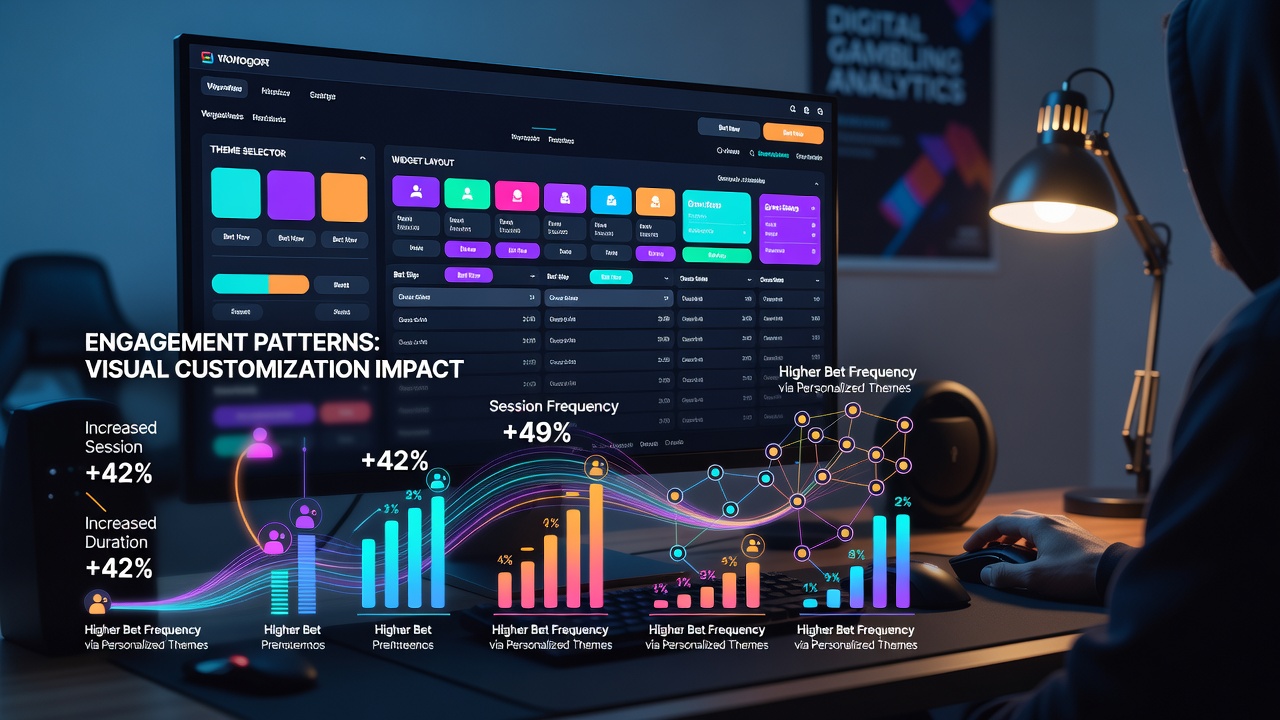
Digital betting platforms have expanded visual customization tools in recent years, allowing users to adjust color schemes, dashboard layouts, icon styles, and display preferences that align with individual habits. These features appear across major operators, where dedicated gamblers often spend extended sessions refining their screens before placing wagers. Data from industry tracking shows that platforms offering such options record higher average session durations compared to those with fixed designs, particularly among users who log in multiple times per week.
Core Elements of Visual Customization
Customization typically includes selectable themes such as dark mode for low-light environments, adjustable font sizes for odds displays, and modular widgets that users can rearrange on their home screens. Some systems permit upload of personal background images while others provide preset templates based on sport categories or game types. Researchers at the University of Nevada, Las Vegas have documented how these choices influence navigation speed, noting that participants who personalize their interfaces complete bet placements more quickly after repeated exposure. Operators integrate these tools through account settings menus that save preferences across devices, which creates continuity for users who switch between mobile and desktop access throughout the day.
Observed Shifts in Engagement Metrics
Platform analytics reveal distinct patterns when customization tools receive frequent use. Dedicated gamblers who activate multiple visual adjustments tend to maintain longer active periods on the site, with some extending sessions by 20 to 35 minutes on average according to aggregated operator reports. This occurs because tailored layouts reduce visual fatigue during high-volume betting windows, such as live sports events. Canadian Gaming Association figures indicate that retention rates climb when users can switch between compact and expanded views of betting markets, since the flexibility supports both quick in-play decisions and deeper pre-match analysis within the same account.
What's interesting is the way certain customizations correlate with specific behaviors. Users who select brighter color contrasts often engage more with promotional banners and featured markets, while those preferring minimalist designs focus on core odds tables and avoid ancillary content. A study published in the Journal of Gambling Issues tracked over 4,000 accounts and found that accounts with at least three custom settings active generated 18 percent more bets per week than accounts using default interfaces. The differences emerged most clearly among participants classified as dedicated based on weekly deposit frequency rather than total spend.
Platform Variations and Regional Trends

Operators in different markets approach customization at varying depths. North American platforms frequently emphasize sport-specific themes that change automatically when users navigate between football and basketball sections, whereas European and Asian operators lean toward avatar and profile icon options that appear during community features. By June 2026 several major providers had introduced real-time theme switching that responds to time of day or event type without requiring users to exit active betting screens. These updates coincide with broader interface refinements that prioritize seamless transitions between customization menus and live wagering areas.
One study from the Australian Institute of Family Studies examined how visual adjustments affect focus during extended sessions. Participants reported fewer instances of losing track of their betting history when they could highlight favorite markets with distinct colors or borders. The research team also observed that customization reduced the number of accidental clicks on unrelated promotions, which in turn lowered support ticket volume related to navigation errors. Such findings suggest that interface control contributes to smoother overall experiences for frequent users who treat betting as a structured activity rather than casual browsing.
Behavioral Patterns Among Frequent Users
Dedicated digital gamblers often develop routines around their customized setups. Many begin sessions by verifying that their preferred layout remains active, then proceed to markets they have visually prioritized through color coding or widget placement. This preparatory step appears linked to higher completion rates for multi-leg bets, since the visual hierarchy helps users track selections across different screens. Observers note that platforms allowing export and import of custom profiles see increased cross-device usage, because users replicate successful configurations when moving from desktop analysis to mobile placement during events.
Engagement data further shows that customization correlates with loyalty program participation. Users who invest time personalizing their view tend to accumulate points at higher rates, possibly because the interface feels more like a personal workspace than a generic portal. Figures from state regulatory filings in Pennsylvania and New Jersey demonstrate steady growth in accounts utilizing advanced display options through the first half of 2026, aligning with overall revenue increases reported across those markets.
Conclusion
Visual customization options continue to evolve as platforms collect more granular usage data. The patterns indicate that dedicated gamblers respond to interfaces that accommodate personal preferences in layout and presentation, which supports sustained interaction without requiring constant adaptation to default formats. As operators refine these tools through 2026 and beyond, the connection between customization depth and session metrics remains a measurable factor in platform design decisions across multiple jurisdictions.