How Payment Processing Speed Variations Across Platforms Affect Retention Rates for Frequent Digital Bettors and Gamers
Written by Ines Günther · May 30, 2026
How Payment Processing Speed Variations Across Platforms Affect Retention Rates for Frequent Digital Bettors and Gamers
Payment processing speeds vary widely among digital betting and gaming platforms, and these differences show measurable effects on how long frequent users stay active with particular operators. Data collected through 2025 and into May 2026 indicates that withdrawal times, deposit confirmations, and overall transaction latency correlate with shifts in user retention metrics across multiple jurisdictions.
Transaction Speed Patterns in Digital Wagering
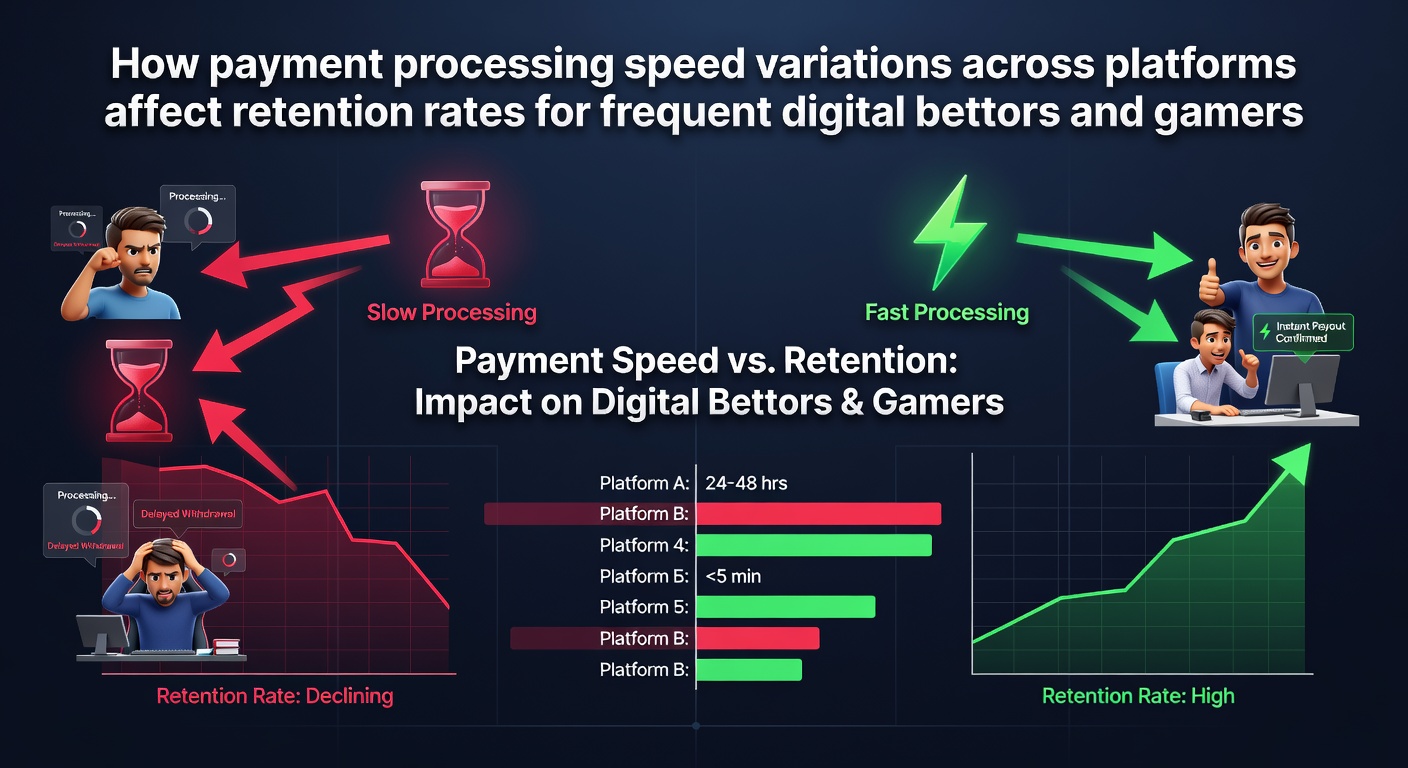
Operators process deposits and withdrawals at different rates depending on their chosen payment rails, banking partnerships, and internal approval workflows. Platforms that integrate instant payment methods such as certain e-wallets or blockchain-based transfers often complete transactions in under two minutes, while others relying on traditional bank wires or card networks may require several hours or even days for the same steps. Researchers at the University of Nevada, Reno tracked these variations in a 2025 study covering North American operators and found that average withdrawal completion times ranged from 12 minutes on the fastest systems to 47 hours on slower ones.
Deposit speed also matters because users frequently move funds between accounts to chase promotions or manage bankrolls. When a platform requires multiple authentication layers or manual reviews, even a 30-minute delay can prompt players to switch to a competitor that processes the same request faster. Industry reports compiled by the Canadian Gaming Association show that platforms with sub-five-minute deposit approvals retained monthly active users at rates 18 percent higher than those averaging over 20 minutes.
Retention Data and Platform Comparisons
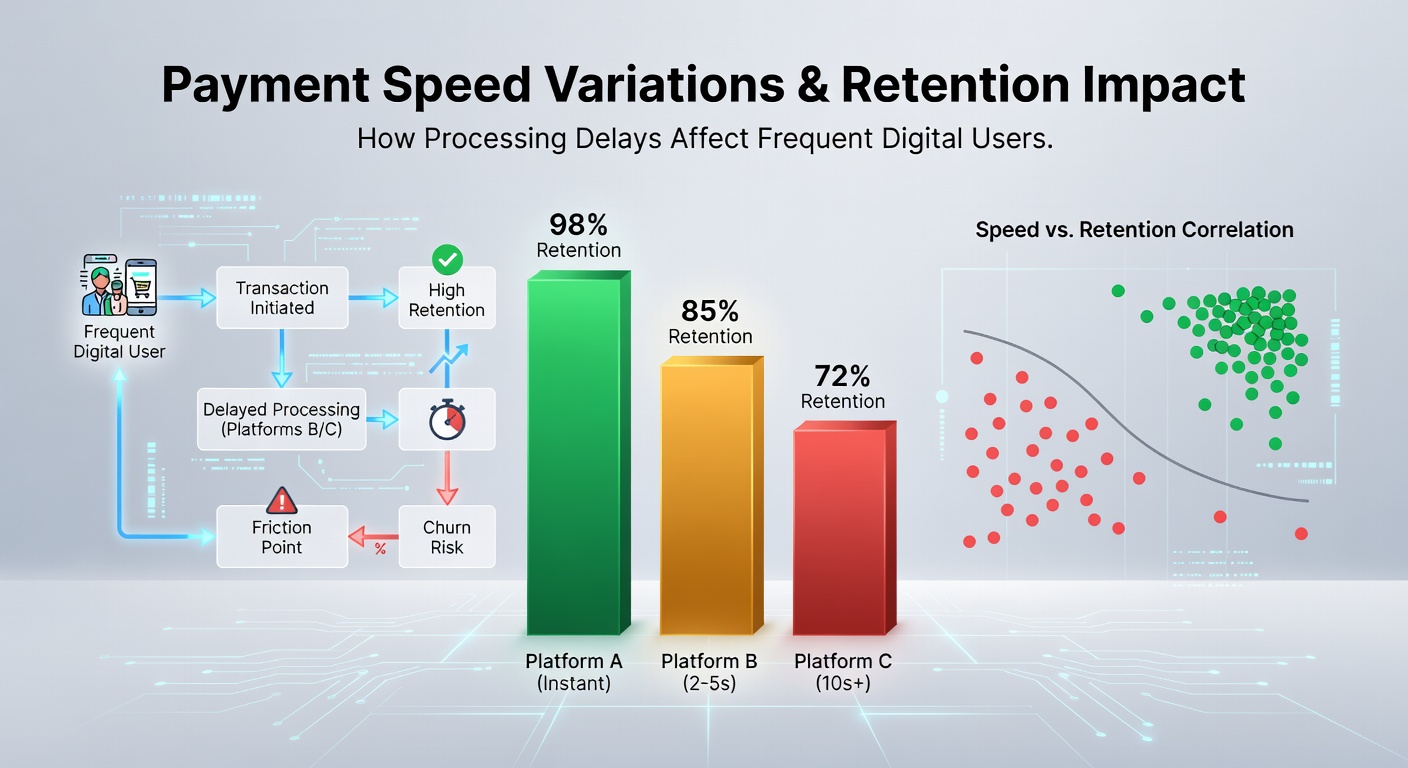
Retention rates track whether users return to a platform after their initial sessions, and payment friction appears in the data as a recurring factor. A 2025 analysis by the Australian Communications and Media Authority examined 12 major operators and documented that sites completing withdrawals within one hour maintained 72 percent 90-day retention among high-frequency bettors, whereas those taking longer than 24 hours saw retention drop to 54 percent. The same report noted similar patterns among gamers using casino-style products, where payout speed influenced repeat deposit behavior more strongly than bonus size in several cohorts.
What's interesting is how these effects compound over time. Frequent bettors often place multiple wagers per day and expect quick access to winnings to fund further activity. When processing delays interrupt that cycle, users tend to migrate toward platforms that keep funds moving without interruption. Observers note that this migration shows up in cross-platform analytics as clusters of users abandoning accounts after experiencing a single slow withdrawal.
Regional Regulatory Context as of May 2026
Regulatory frameworks in different regions shape how quickly operators can move money. In New Jersey, updated rules effective early 2026 require licensed platforms to disclose estimated processing windows and to honor those windows in at least 95 percent of cases. Early compliance data released in May 2026 shows that operators meeting the stricter timelines experienced smaller month-over-month drops in high-value user segments compared with those still adjusting their systems. Similar requirements exist in parts of Australia and several Canadian provinces, where regulators tie licensing renewals to documented payout performance.
European operators operating under Malta Gaming Authority oversight face parallel expectations around transaction transparency, although the specific time thresholds differ. Platforms that publish real-time status updates for pending transactions tend to see fewer support tickets and higher continued engagement, according to internal metrics shared in industry roundtables during spring 2026.
Payment Method Choices and User Behavior
Users select platforms partly based on which payment methods each operator supports. Cryptocurrency options, instant bank transfers, and certain prepaid cards generally clear faster than legacy card networks or international wires. A case study presented at the 2025 International Gaming Summit examined one operator that added an instant bank transfer option in Q4 2025; within six months, users who switched to the new method showed 23 percent higher session frequency than those continuing with slower alternatives.
Yet speed alone does not determine retention. Reliability matters as well. Platforms that promise fast processing but occasionally freeze accounts during verification see users leave even when average times remain competitive. Data from multiple sources indicates that consistent performance across both speed and reliability produces stronger retention curves than speed spikes followed by delays.
Conclusion
Payment processing speed variations across platforms create measurable differences in retention among frequent digital bettors and gamers. Studies and regulatory reports through May 2026 document higher retention where transactions complete quickly and consistently, while slower or unpredictable systems correlate with greater user churn. Operators continue to adjust their payment infrastructure in response to these patterns and to evolving regulatory expectations in key markets.