How Notification Alert Frequencies Shape Habit Formation Among Users Navigating Multiple Digital Gambling Platforms
Written by Sam Hughes · Jul 6, 2026
How Notification Alert Frequencies Shape Habit Formation Among Users Navigating Multiple Digital Gambling Platforms
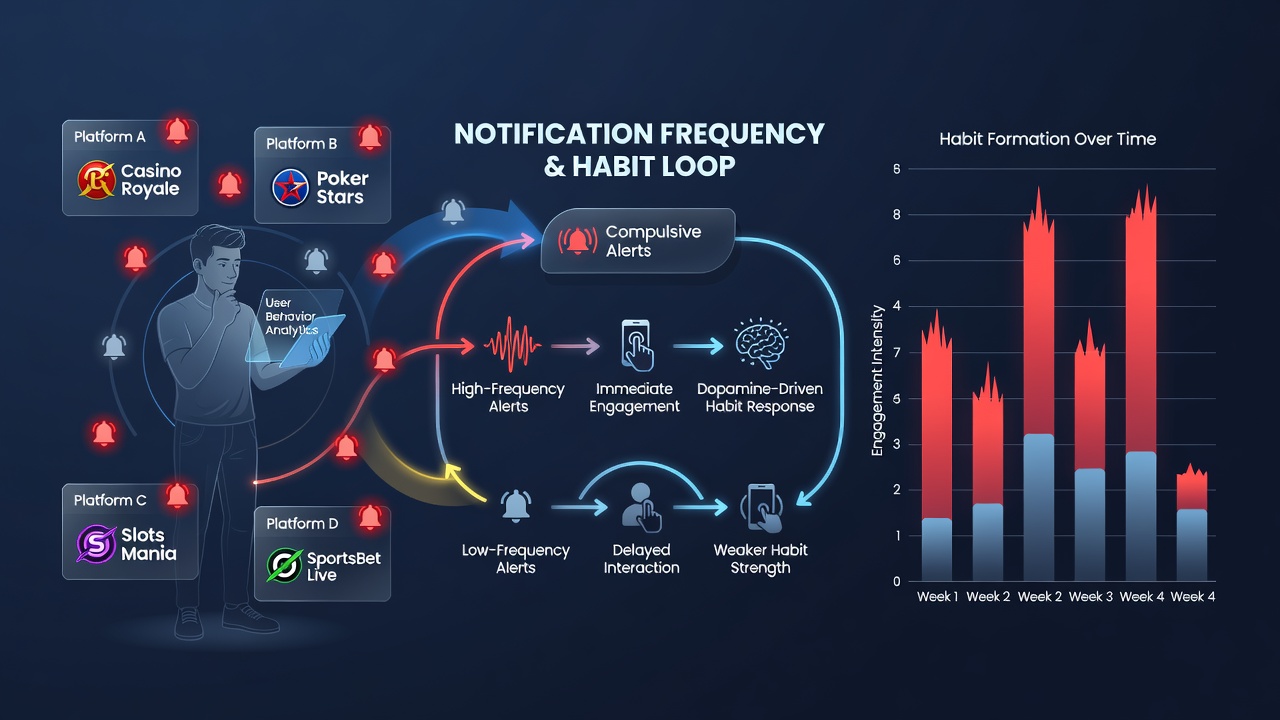
Digital gambling platforms rely on push notifications to maintain user engagement across devices, and the timing plus frequency of these alerts plays a direct role in how habits develop when people switch between several apps in a single session. Research indicates that consistent alert patterns encourage repeated checks, while irregular schedules can intensify the urge to monitor multiple platforms simultaneously.
Notification Timing and User Response Patterns
Platforms deploy alerts at intervals ranging from minutes to hours after a user places a bet or completes a session, and studies from academic institutions show these schedules align with psychological principles of reinforcement. Variable frequency notifications, delivered at unpredictable times, produce stronger checking behaviors than fixed hourly reminders because they mimic the intermittent rewards central to gambling mechanics themselves.
Data collected from app analytics firms reveals that users managing accounts on three or more platforms receive an average of 12 to 18 notifications daily during peak activity periods in 2026. Those who navigate across sportsbooks and casino-style games often respond to the first alert within two minutes, then continue switching applications when subsequent messages arrive from different operators.
Multi-Platform Navigation and Reinforced Behaviors
People who maintain profiles on several digital gambling sites encounter overlapping alert systems that compete for attention, and this environment accelerates habit formation according to behavioral tracking reports. A notification from one platform about a live event or bonus can prompt immediate migration to another app for comparison, creating a loop where checking becomes automatic rather than deliberate.
Figures from industry monitoring services indicate that session starts triggered by notifications increased by 27 percent between January and July 2026 among users active on multiple platforms. This rise correlates with higher daily engagement metrics, as alerts keep accounts top-of-mind even during non-gambling hours.
Evidence from Regulatory and Research Sources
Reports compiled by the Nevada Gaming Control Board document how operators adjust notification strategies based on user retention data, while academic analyses from Canadian research centers confirm that higher alert volumes contribute to habitual app opening sequences. These patterns emerge because each successful check delivers new information or opportunities, strengthening the neural pathways associated with routine monitoring.
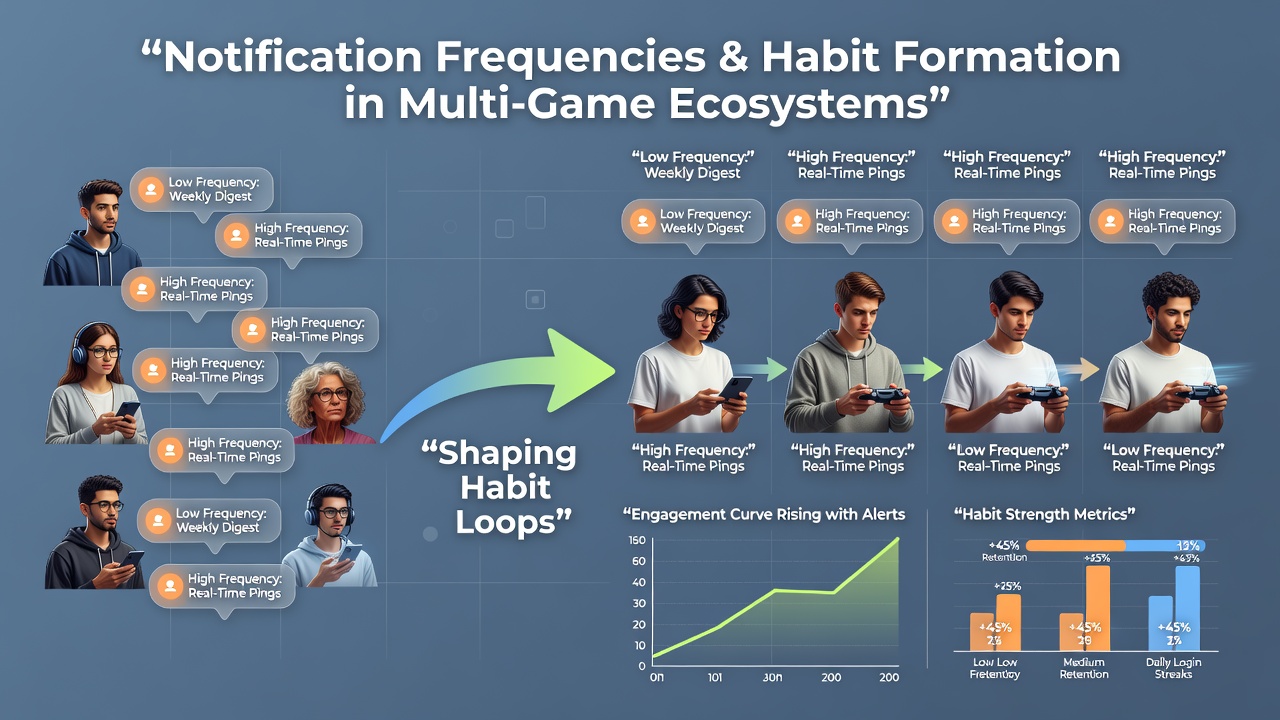
One longitudinal review published through the National Council on Problem Gambling tracked participants across six months and found that individuals receiving alerts more than fifteen times per day showed faster development of automatic response habits when juggling accounts on separate platforms. The study highlighted that frequency alone does not dictate outcomes, yet combined with cross-platform competition it reliably increases session initiation rates.
Platform Design Choices and Alert Delivery
Operators fine-tune delivery parameters including batching multiple updates into single messages or spacing them across the day, and these decisions influence how users allocate attention when several apps compete. Evidence from European regulatory summaries shows that platforms using clustered notifications experience slightly lower immediate response rates compared with those sending individual alerts, though both approaches sustain long-term checking routines among multi-app users.
Users navigating different operators often develop personalized sequences, opening the app that sent the most recent notification first before cycling through others. This behavior solidifies into habit when the frequency remains steady enough to create anticipation without overwhelming the recipient.
Conclusion
Notification alert frequencies directly affect how habits form for individuals who manage multiple digital gambling accounts, as consistent or variable schedules reinforce checking behaviors through established psychological mechanisms. Industry data from July 2026 onward continues to reflect these dynamics across various markets, with platform operators and researchers tracking the measurable impacts on user routines. Those who study these systems note that alert design choices determine the strength and speed of habit development when users move fluidly between competing applications.