How Cryptocurrency Transaction Anonymity Affects User Behavior Patterns in Online Gambling Environments
Written by Sam Hughes · Jun 20, 2026

How Cryptocurrency Transaction Anonymity Affects User Behavior Patterns in Online Gambling Environments
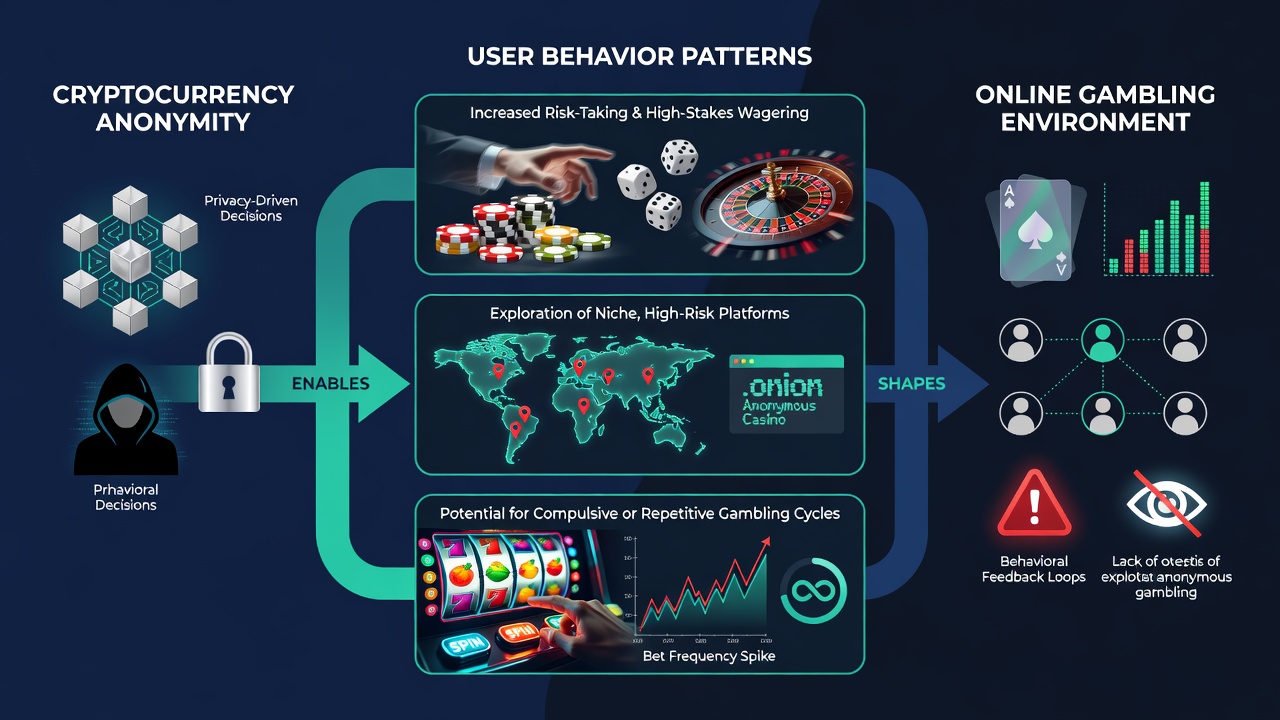
Observers note that cryptocurrency transaction anonymity has reshaped several measurable aspects of user engagement within online gambling platforms since the wider adoption of digital assets, and researchers continue tracking these shifts through transaction data and platform analytics. Data from multiple jurisdictions shows that users who favor cryptocurrencies often bypass traditional banking verification steps, which alters how frequently they initiate deposits and how they structure their wagering sequences across sessions.
Core Mechanisms Driving Anonymity in Digital Wagering
Blockchain-based transfers create pseudonymity because wallet addresses do not require direct linkage to personal identities at the point of transaction, although exchanges may still record metadata depending on local rules. Users can therefore move funds between accounts without triggering the same identity checks that credit card processors enforce, and this separation influences deposit timing as well as withdrawal patterns observed in aggregated platform reports. Studies compiled by academic groups in Canada indicate that average deposit sizes using privacy-focused coins tend to fluctuate more than those processed through conventional rails, while session initiation rates rise when verification friction decreases.
Documented Changes in Deposit Frequency and Amount Patterns
Platform operators report that cryptocurrency users complete more frequent smaller deposits within single calendar months compared with users relying on bank transfers, according to aggregated figures released by industry monitoring organizations. This behavior emerges because wallet-to-wallet movement incurs lower per-transaction costs and avoids daily banking limits, allowing participants to replenish balances without waiting for approval cycles. Evidence collected across European markets further reveals that withdrawal requests processed via cryptocurrency complete in shorter time windows, which correlates with higher rates of immediate re-depositing rather than cashing out to external accounts.
Adjustments in Risk Tolerance and Session Duration
Behavioral datasets suggest that perceived privacy encourages extended play periods, as users face fewer interruptions from account verification prompts during active sessions. Researchers tracking time-on-site metrics across several major operators found that cryptocurrency-funded accounts logged longer continuous wagering intervals during evening hours, particularly on platforms offering instant deposit confirmations. One analysis covering activity through early 2026 noted that multi-coin wallets enabled seamless switching between different digital assets mid-session, which coincided with increased bet sizing variability within individual user histories.
Platform Selection and Cross-Border Usage Trends
Users demonstrate preference for operators that accept multiple cryptocurrencies without mandatory identity uploads beyond initial registration, and traffic analytics indicate higher retention when privacy coins receive support. Reports from regulatory bodies in Australia highlight that jurisdictions with clearer cryptocurrency guidelines experience steadier growth in licensed platform registrations, whereas stricter identification mandates shift activity toward offshore sites. This migration pattern appears in transaction volume statistics that show concentrated activity spikes following regulatory announcements in various regions.
Multi-Account Management and Behavioral Segmentation
Observers tracking wallet clustering techniques have identified users who maintain separate cryptocurrency addresses for different gambling operators, which fragments their visible activity footprint across platforms. This segmentation reduces the ability of any single site to build complete behavioral profiles, and data indicates that such practices increase when users engage with sites offering native privacy features. Industry reports compiled ahead of June 2026 show gradual adoption of mixing services among a subset of frequent gamblers, though overall volumes remain modest relative to total cryptocurrency gambling traffic.
Regulatory Developments and Compliance Adjustments
Government agencies in several jurisdictions continue refining know-your-customer thresholds specifically for cryptocurrency deposits, which affects how platforms structure onboarding flows. Figures released by monitoring groups in North America reveal that operators implementing tiered verification for larger crypto transactions see measurable shifts in user distribution toward lower-threshold activities. These adjustments occur while platforms maintain compliance with broader anti-money-laundering frameworks that apply across digital asset categories.
Conclusion
Transaction anonymity through cryptocurrency channels produces measurable differences in deposit cadence, session length, and platform loyalty metrics within online gambling environments. Aggregated data continues to inform both operator design choices and regulatory calibration across multiple regions, while researchers refine analytical tools to distinguish privacy-driven behaviors from other influencing factors. These patterns remain subject to ongoing observation as wallet technologies and compliance standards evolve in parallel.