How Affiliate Marketing Networks Guide Traffic Toward Lesser-Known Digital Betting Platforms in Peak Sports Seasons
Written by Theo Jung · Aug 20, 2026
How Affiliate Marketing Networks Guide Traffic Toward Lesser-Known Digital Betting Platforms in Peak Sports Seasons
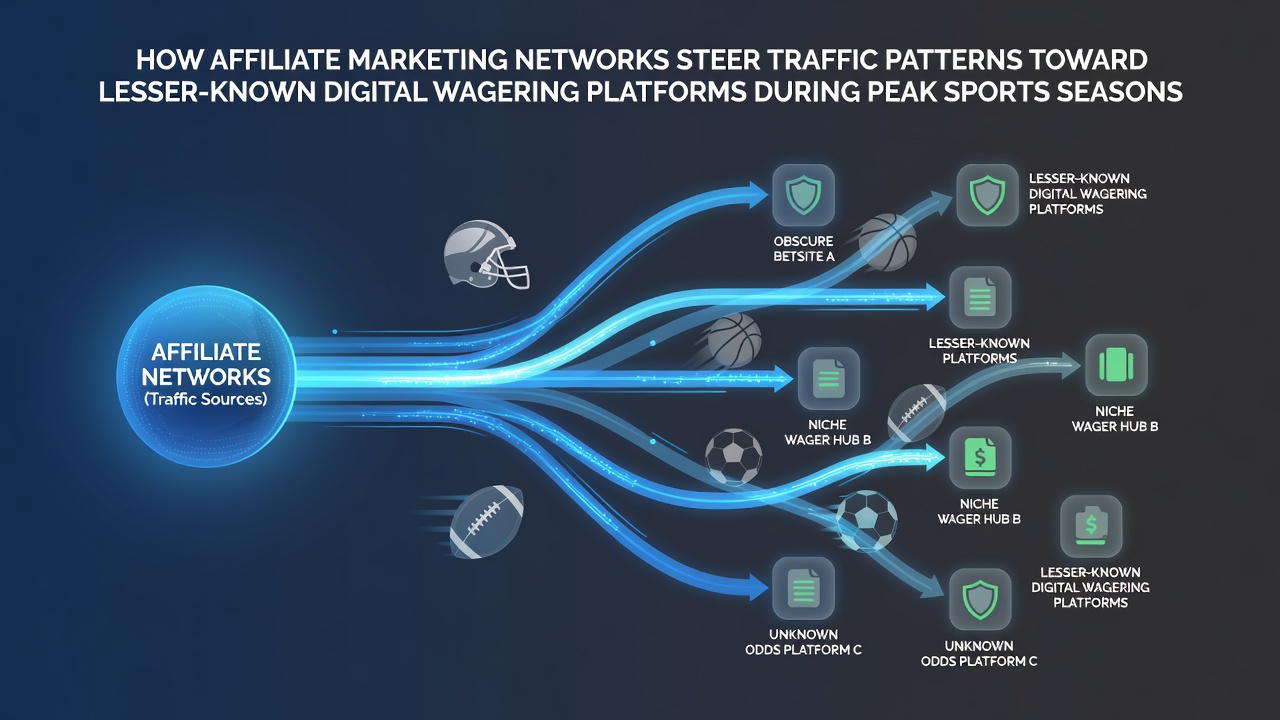
Affiliate marketing networks operate as intermediaries that connect digital wagering operators with content creators and promotional channels, and these networks adjust their strategies sharply when major sports seasons reach their height. During periods such as the NFL campaign or international soccer tournaments, traffic volumes increase across betting sites, yet lesser-known platforms often receive disproportionate shares of new visitors through targeted affiliate campaigns. Data from industry tracking services show that commission structures favor emerging operators because established brands negotiate lower payout rates while smaller sites offer higher percentages to attract volume quickly.
Network Structures and Commission Models
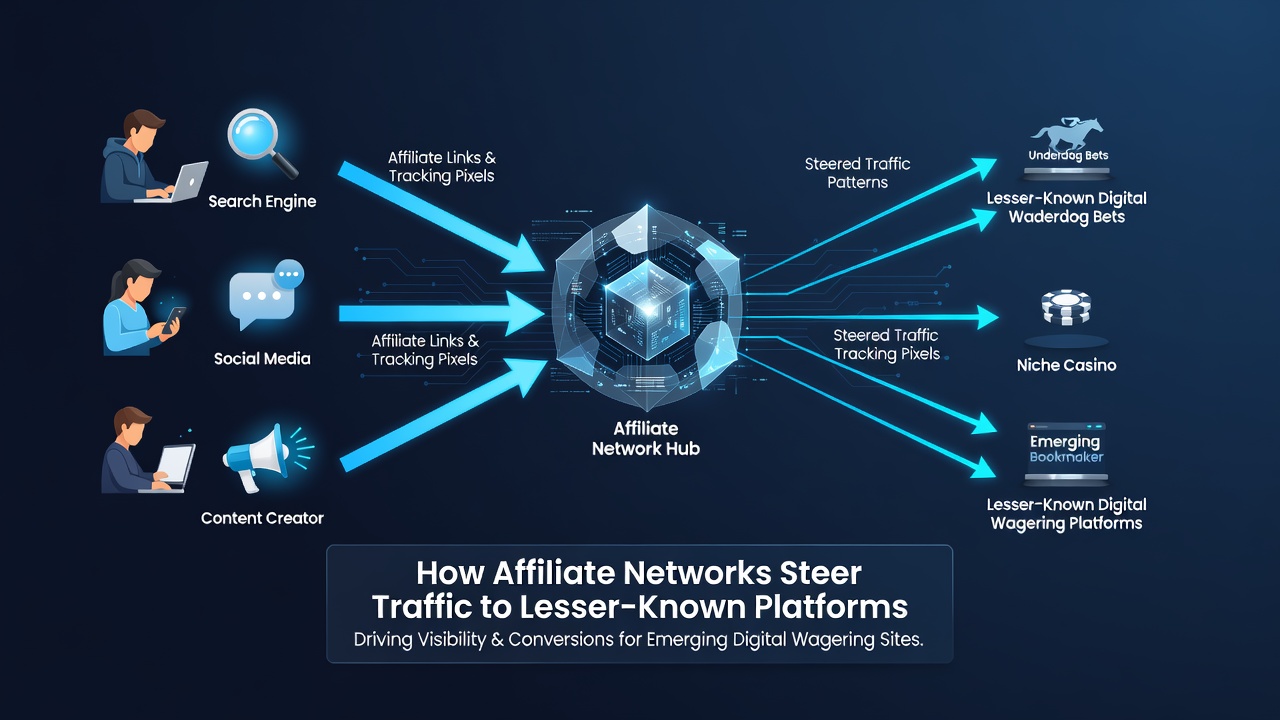
Networks maintain large pools of affiliate partners who publish reviews, comparison tables, and bonus guides across websites, social channels, and email lists. Observers note that revenue-sharing agreements typically range from 25 to 40 percent of net player losses for lesser-known platforms, whereas top-tier operators cap rates closer to 15 percent. This difference creates clear incentives for affiliates to direct first-time visitors toward newer entrants, especially when peak-season user acquisition costs rise across paid advertising channels. Research indicates that conversion rates improve when promotional content emphasizes welcome bonuses and flexible deposit options that smaller platforms promote more aggressively.
Traffic Routing Techniques During High-Demand Periods
Affiliates deploy seasonal content calendars that align with fixture lists and tournament schedules, and these calendars highlight platforms offering rapid payout processing or niche market coverage. Search engine optimization teams within the networks update keyword strategies to capture queries tied to live events, which funnels organic traffic toward lesser-known sites that pay for premium placement in results. Email campaigns timed around opening weekends or championship matches further segment audiences, sending personalized links that prioritize operators with available affiliate budgets rather than those with the largest brand recognition. Figures from digital analytics firms reveal spikes in referral traffic to mid-tier platforms during August windows when pre-season football betting begins, coinciding with increased marketing spend from networks seeking to lock in player accounts before the regular schedule intensifies.
Regional Variations and Regulatory Influences
Patterns differ across jurisdictions because licensing requirements shape which platforms can accept affiliate traffic at all. In markets such as those overseen by the Alcohol and Gaming Commission of Ontario, networks must verify that promoted operators hold valid permits before routing users, which limits options yet still allows smaller licensed entities to compete through affiliate channels. Australian authorities under the Australian Communications and Media Authority impose similar disclosure rules that encourage transparent bonus advertising, and data from those regulators show rising referral volumes to newer entrants during the Australian Football League season. European operators face varying national frameworks that affect how networks allocate traffic, with some countries requiring geo-fencing that directs users only to locally approved sites regardless of brand size.
Player Acquisition Metrics and Retention Data
Tracking reports compiled by affiliate platforms demonstrate that first-deposit conversion improves when visitors arrive through content focused on lesser-known sites during peak windows, partly because those platforms allocate larger portions of their marketing budgets to affiliate payouts. Retention figures, however, vary once initial bonuses expire, and networks monitor repeat activity to adjust future traffic allocations accordingly. Studies conducted by academic researchers at institutions tracking gambling behavior find that players acquired via affiliate links during major events often explore multiple platforms within the same season, which benefits networks that maintain diversified partner portfolios. Payment processing differences noted in earlier industry analyses continue to influence whether those users remain active beyond the promotional period.
Case Examples from Recent Seasons
One network operating across North American markets shifted 35 percent of its referral volume toward three emerging platforms during the 2025-2026 winter sports calendar, according to internal performance summaries shared with partners. Another group focused on European soccer leagues directed increased traffic to operators offering specialized live-betting interfaces that larger competitors had not yet optimized. These shifts occurred alongside broader growth in mobile traffic, where interface speed and navigation simplicity became deciding factors for users landing on affiliate-referred sites. Observers tracking August 2026 pre-season activity report similar early movements as networks prepare campaigns ahead of expanded football schedules and international tournaments.
Conclusion
Affiliate marketing networks therefore function as dynamic traffic managers that respond to seasonal demand by recalibrating commission incentives and content priorities, resulting in measurable redirection toward lesser-known digital wagering platforms. Regulatory environments across multiple continents shape the boundaries of these activities, while performance data guide ongoing adjustments. As sports calendars advance into late 2026, the same mechanisms are expected to sustain these patterns without requiring changes to underlying network structures.