Exploring Biometric Authentication Methods Reshaping Security Protocols and Access Speeds on Leading Wagering Applications
Written by Olivia Lange · Jun 22, 2026
Exploring Biometric Authentication Methods Reshaping Security Protocols and Access Speeds on Leading Wagering Applications
Biometric authentication has moved from niche security tools to core components in wagering applications where users demand both protection and quick entry, and developers respond by embedding fingerprint recognition alongside facial mapping systems that verify identity in seconds rather than minutes. Research from institutions tracking digital security trends shows these methods cut unauthorized access attempts by significant margins while eliminating the need for lengthy password entries that once slowed session starts.
Core Biometric Techniques in Use
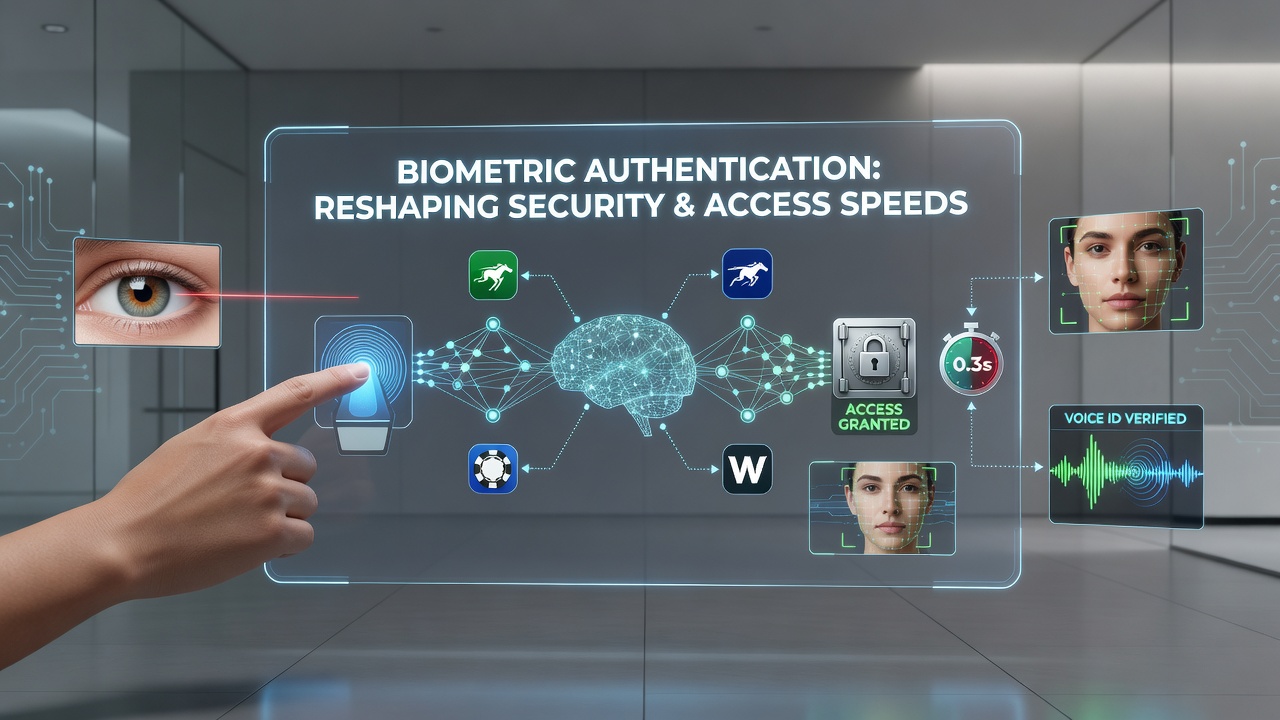
Fingerprint scanning remains the most widespread option across platforms because sensors on modern devices capture ridge patterns with high accuracy and match them against stored templates in under a second. Facial recognition follows closely, relying on infrared cameras and depth sensors that create 3D maps resistant to simple photo spoofs, whereas voice authentication analyzes unique vocal frequencies during brief spoken phrases. Iris scanning appears in fewer applications yet delivers precision through specialized cameras that examine intricate eye patterns, and each approach integrates with device hardware to avoid extra hardware costs for operators.
Studies from the National Institute of Standards and Technology highlight how multimodal systems combine two or more of these methods to raise verification thresholds, requiring both fingerprint and facial confirmation in high-value transactions, which further strengthens protocols without adding noticeable delays for routine logins.
Security Protocol Enhancements
Traditional password systems face repeated breaches through phishing campaigns and data leaks, yet biometric data stays confined to device secure enclaves where it never transmits across networks, reducing exposure points that hackers target. Operators report fewer account takeovers after rolling out these features, and regulatory bodies in regions such as Australia have noted improved compliance records when applications adopt biometrics that log every access attempt with immutable timestamps. That said, encrypted templates replace raw images, so even if a device suffers compromise the stored data yields no usable replicas for fraudulent use.
Impact on Access Speeds and User Flow
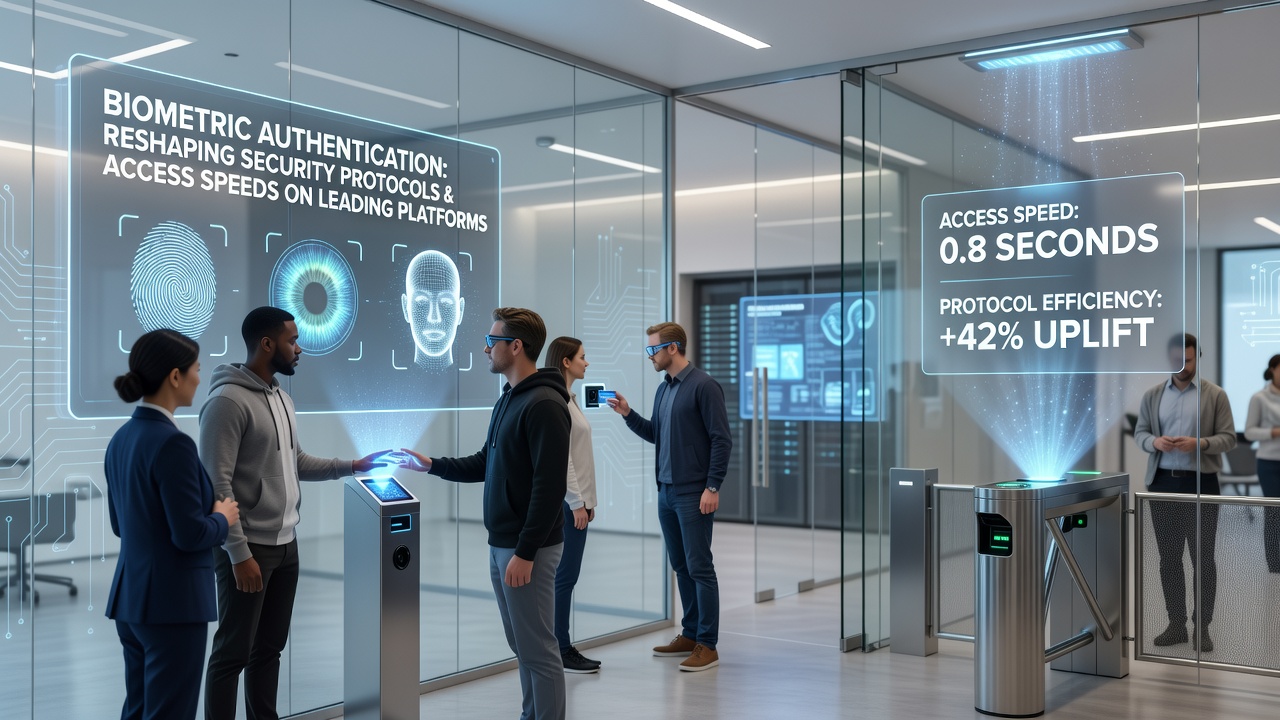
Login times drop dramatically once biometrics replace manual credential entry, with average session initiations falling from 12 seconds under password systems to roughly 1.5 seconds under fingerprint or facial checks according to industry benchmarks collected through 2025. Faster entry keeps users engaged longer in live markets where odds shift rapidly, and developers fine-tune algorithms to handle edge cases like low-light facial scans or damp fingers without forcing fallback methods that reintroduce friction. Observers note that applications pushing biometric defaults see retention metrics climb because participants avoid the friction of forgotten passwords or two-factor code waits, while background processes refresh authentication tokens silently during active sessions.
By June 2026 several major platforms had expanded these capabilities to include continuous verification that monitors device handling patterns alongside initial scans, flagging anomalies such as sudden location jumps without interrupting legitimate play.
Implementation Across Leading Platforms
Integration occurs through native APIs on iOS and Android devices, allowing applications to leverage hardware without custom development, and testing phases often involve thousands of simulated attempts to calibrate false acceptance rates below one in fifty thousand. European research consortia have examined how these systems perform under varying network conditions, confirming that local processing keeps verification independent of internet latency and maintains speed even on slower connections. Operators balance security layers by offering tiered options where low-stakes actions require single-factor biometric checks while withdrawals trigger additional confirmation steps, preserving flow without compromising oversight.
Conclusion
Biometric authentication continues to redefine both protection standards and operational efficiency in wagering applications through precise hardware integration and streamlined verification flows. Data from multiple oversight sources confirms reductions in security incidents alongside measurable gains in session accessibility, and ongoing refinements point toward broader adoption as device capabilities advance. These developments position biometric methods as foundational elements that support secure, rapid interactions across the sector.