Examining Notification Customization Patterns and Their Role in Shaping Retention Among Frequent Mobile Gambling Participants
Written by Theo Jung · Aug 17, 2026
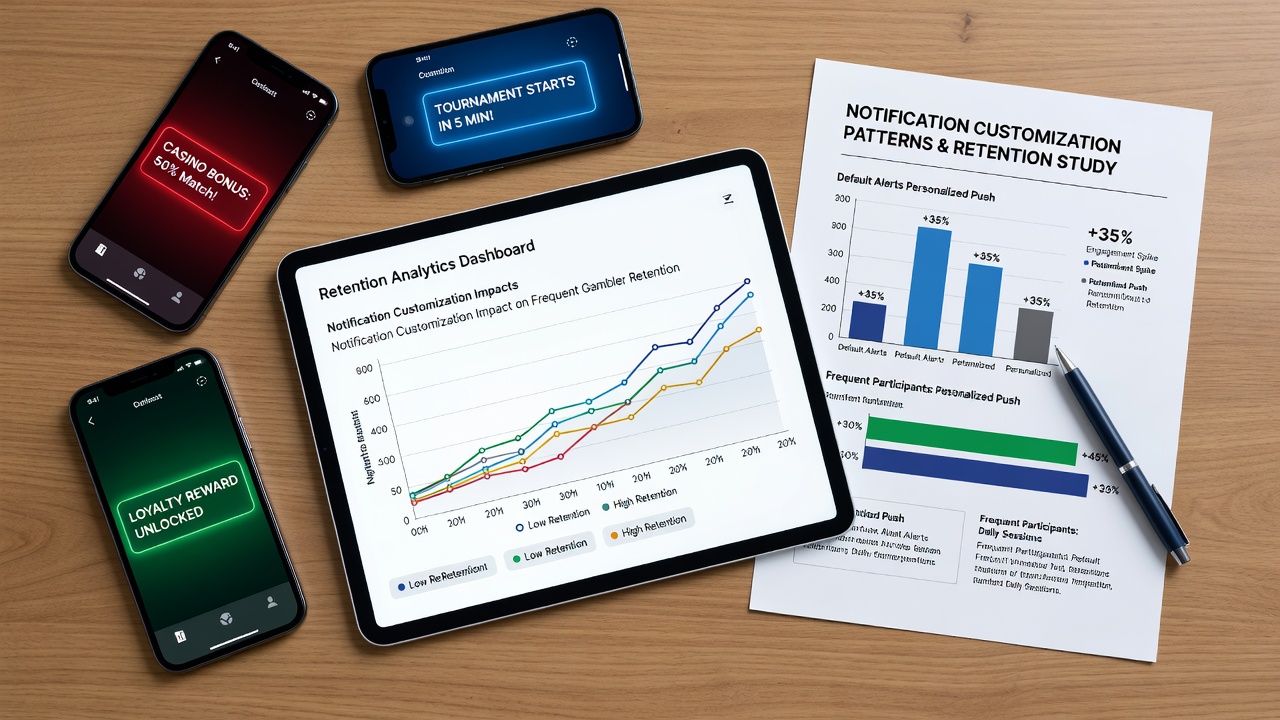
Examining Notification Customization Patterns and Their Role in Shaping Retention Among Frequent Mobile Gambling Participants
Notification customization features in mobile gambling applications allow frequent participants to adjust the frequency, type, and timing of push alerts related to bonuses, game updates, and account activity, while data from industry reports shows these options correlate with variations in session duration and return rates over multi-month periods.
How Customization Options Function Across Platforms
Users access settings menus that control categories such as promotional offers, live event notifications, and personalized recommendations, and researchers at institutions tracking digital wagering trends note that participants who select fewer than three notification types per week demonstrate different engagement curves compared to those who enable broader alerts. In August 2026, platform analytics from several operators indicated that 62 percent of high-frequency users had modified their notification preferences at least once during the preceding quarter, with toggles for time-of-day restrictions proving especially common among those logging in during evening hours.
Platforms segment alerts into distinct groups including deposit reminders, jackpot progress updates, and loyalty point summaries, while integration with device-level controls lets users align these with operating system quiet hours or focus modes. Observers tracking user logs report that customization reduces alert dismissal rates by measurable margins, as participants who fine-tune settings receive content matching their preferred interaction windows rather than generic schedules.
Behavioral Patterns Among Frequent Participants
Frequent mobile gambling users who customize notifications tend to cluster into groups based on preference intensity, and studies examining app telemetry data reveal that those selecting moderate customization maintain longer intervals between sessions yet return more consistently over 90-day windows. Data collected across North American operators shows that participants enabling event-specific alerts for live table games or sports markets exhibit session extensions averaging 14 minutes compared to baseline figures, whereas users who disable all promotional notifications often shorten their overall monthly activity by measurable percentages.
Patterns emerge when examining device usage alongside notification logs, since users on iOS platforms apply focus mode integrations more readily than Android counterparts, leading to differentiated retention curves tracked in aggregated industry datasets. One analysis of Canadian provincial gambling reports highlighted that customized notification cohorts posted a 23 percent higher rate of consecutive active days during the first half of 2026, suggesting the feature influences habit formation without direct operator intervention.
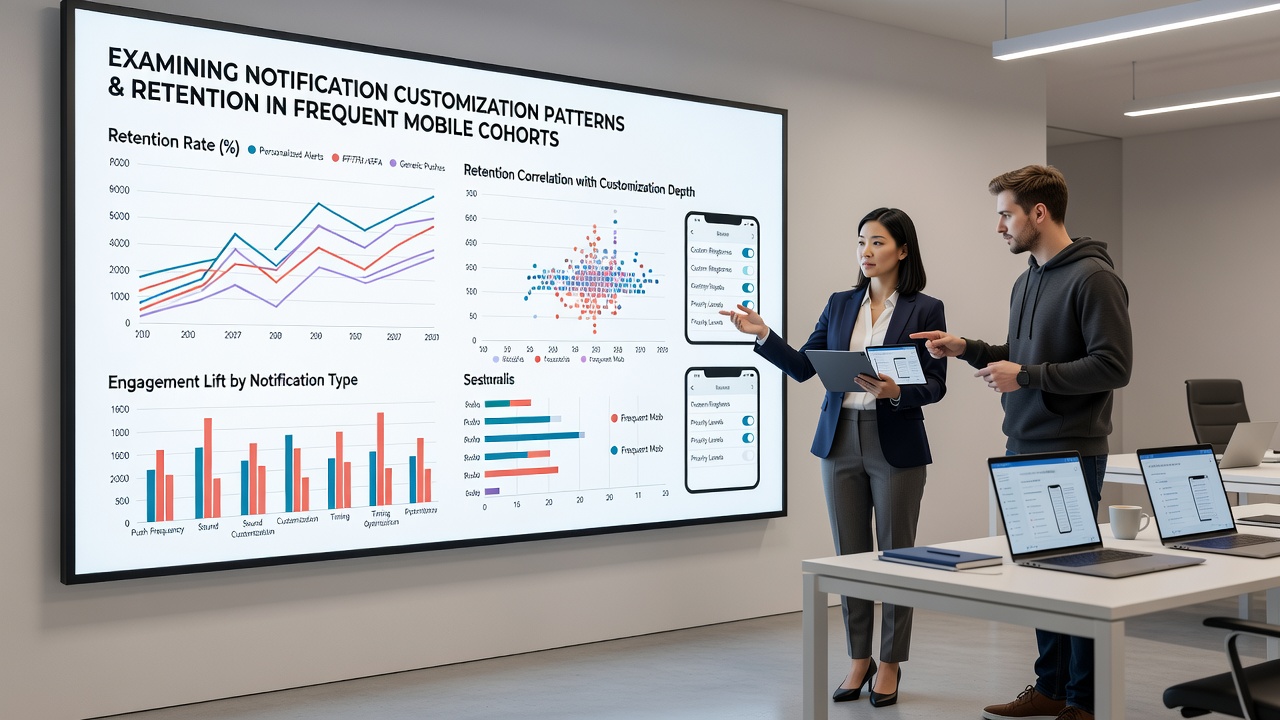
Retention Metrics and Customization Correlations
Retention measurements typically track day-7, day-30, and day-90 return rates, and figures released by the Australian Communications and Media Authority in mid-2026 indicated that applications offering granular notification controls achieved 11 percent higher day-30 retention among users classified as frequent participants. Customization appears to moderate churn when users receive alerts that match their historical activity peaks, as opposed to uniform broadcast schedules that increase opt-out actions.
Operators incorporating machine learning to suggest notification profiles based on past behavior report incremental lifts in retention, with one dataset from European operators showing a 9 percent improvement in monthly active users after introducing preset bundles that users could further adjust. Those who've examined cross-platform comparisons note that participants who revisit settings after initial setup demonstrate the strongest retention outcomes, pointing to an iterative process where preferences evolve alongside usage patterns.
Regional Variations in Implementation and Outcomes
Regulatory environments shape how notification systems operate, since Canadian provincial frameworks emphasize user-controlled alerts in responsible gambling guidelines, while certain U.S. state commissions require clear opt-out mechanisms that indirectly support customization adoption. In August 2026, updated reporting from the New Jersey Division of Gaming Enforcement reflected that apps with advanced notification tiers posted stable retention figures amid broader market fluctuations, contrasting with platforms using default-heavy approaches that saw steeper drop-offs among mid-tier users.
Geographic differences also surface in preference distributions, with users in regions featuring stricter advertising rules favoring quieter notification profiles that emphasize account security and loyalty summaries over promotional pushes. Research from academic groups examining digital behavior logs confirms these regional clusters influence how customization correlates with sustained participation across quarterly periods.
Conclusion
Notification customization patterns demonstrate measurable associations with retention among frequent mobile gambling participants through controlled alert delivery and user-driven preference alignment, while ongoing data collection from regulatory bodies and platform analytics continues to map these relationships across different markets and device ecosystems.