Demographic Shifts in Participation Rates Across Age Groups Within Virtual Betting Communities
Written by Olivia Lange · Jul 25, 2026
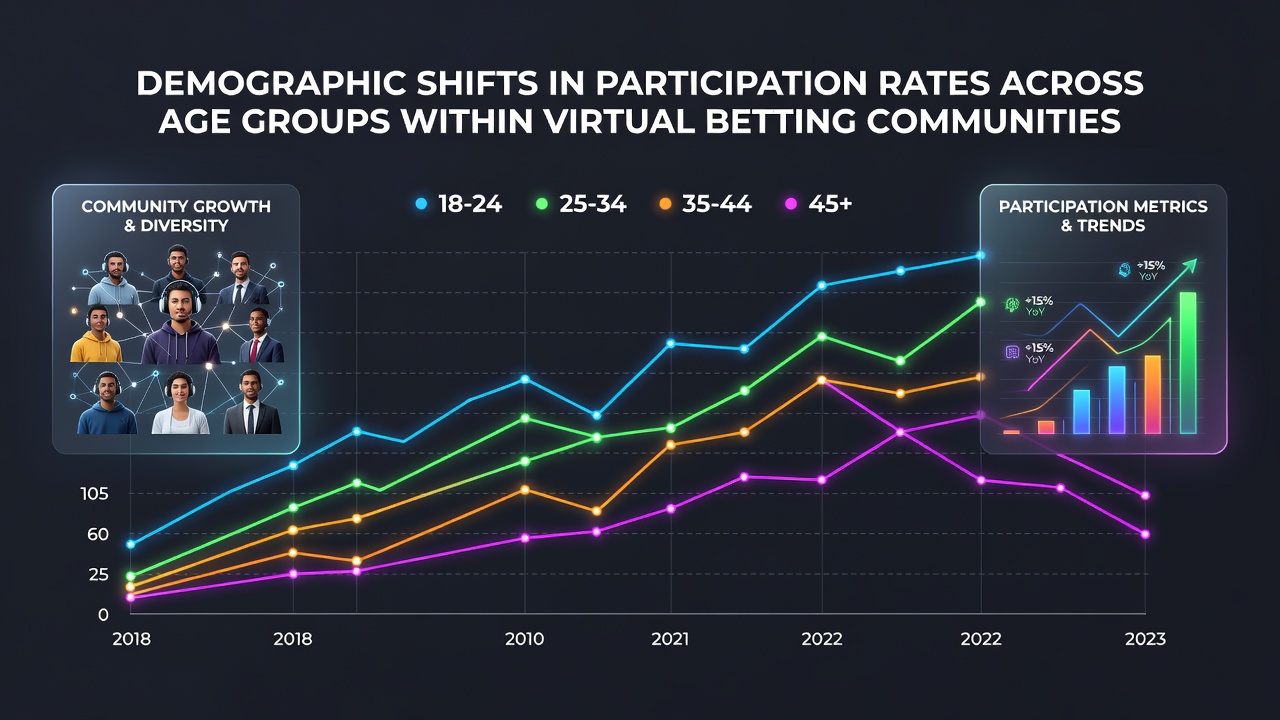
Demographic Shifts in Participation Rates Across Age Groups Within Virtual Betting Communities
Virtual betting communities have experienced measurable changes in who joins and stays active over recent years, with participation rates varying notably across age brackets. Data collected through platform analytics and regulatory filings indicate that younger users aged 18 to 34 have driven much of the growth in mobile-first environments, while older cohorts show steadier but slower adoption curves. These patterns emerge from tracking login frequency, deposit activity, and session duration across major operators.
Trends Among 18 to 34 Year Olds
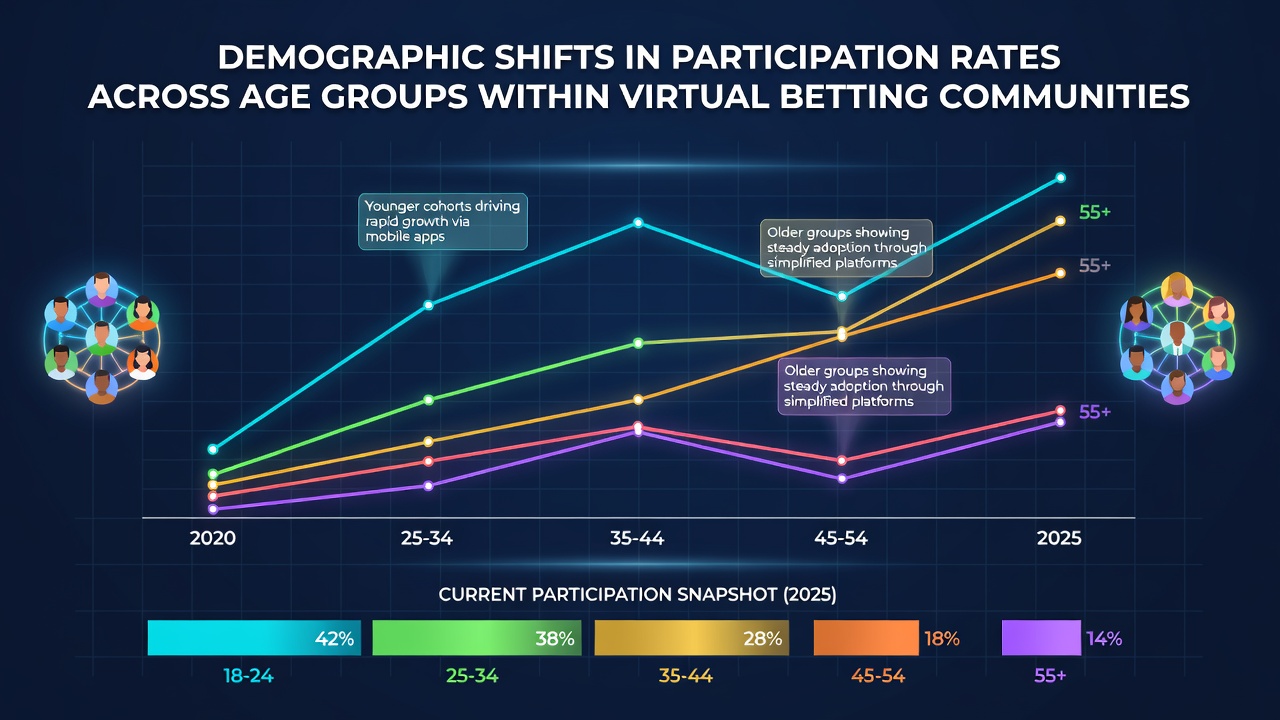
Users in the 18 to 34 range continue to represent the largest share of new accounts in virtual betting spaces, with figures from industry reports showing this group accounting for roughly 48 percent of active participants as of mid-2026. Many of these individuals engage primarily through smartphone applications that integrate live odds and social features, leading to higher daily interaction rates compared with desktop-only users. Observers note that this demographic often starts with smaller wagers on esports or digital casino games before expanding into traditional sports markets.
Shifts in the 35 to 54 Age Bracket
Participation among those aged 35 to 54 has grown more gradually yet consistently, rising by approximately 12 percent between 2023 and July 2026 according to aggregated operator data. This group tends to favor established sports betting interfaces that emphasize statistical tools and responsible play settings, resulting in longer average session times once accounts are verified. Research from academic sources highlights how workplace flexibility and increased digital comfort have contributed to these incremental gains without the rapid spikes seen in younger segments.
One study revealed that individuals in this bracket frequently combine betting with other online financial activities, creating crossover habits that sustain engagement over multiple months. Platform operators have responded by introducing tiered loyalty programs that reward consistent smaller deposits rather than large single transactions, aligning with spending patterns observed in this age range.
Participation Patterns for Those 55 and Older
Adults aged 55 and above maintain lower overall participation rates in virtual betting communities, though absolute numbers have increased modestly since 2024. Regulatory summaries from Canadian provincial gaming bodies indicate that this cohort comprises about 15 percent of registered users, with many preferring web-based platforms over apps due to familiarity with desktop interfaces. Session data shows these users often limit activity to specific events or weekends, producing steadier but less frequent revenue contributions per account.
Regional and Platform Influences on Age Distribution
Geographic differences appear when comparing North American and European markets, where regulatory environments shape which age groups gain easiest access. Australian research institutions have documented similar trends in virtual wagering, noting that policy adjustments around verification processes can accelerate or slow entry for older demographics in particular. Operators have adjusted marketing accordingly, directing age-specific campaigns through channels that match typical browsing habits of each group.
Key Drivers Behind the Observed Changes
Technology adoption rates play a central role, as improved mobile security and faster payment options lower barriers for first-time users across all ages. Economic factors also factor in, with employment stability influencing disposable income available for virtual betting activities. Those who have examined longitudinal datasets point to correlations between broadband penetration in suburban areas and rising participation among middle-aged residents who previously relied on land-based venues.
Conclusion
Demographic shifts within virtual betting communities reflect broader patterns of digital integration across generations, with participation rates evolving in response to platform design, regulatory frameworks, and economic conditions. Continued monitoring through industry associations and academic channels will provide clearer pictures of how these distributions develop beyond July 2026, especially as new verification technologies and product formats enter the market. American Gaming Association reports and studies from European research centers offer ongoing benchmarks for tracking these movements.