Currency Volatility in Emerging Markets Shifts Wagering Volumes Toward Niche Event Categories on Global Platforms
Written by Ines Günther · Jun 27, 2026
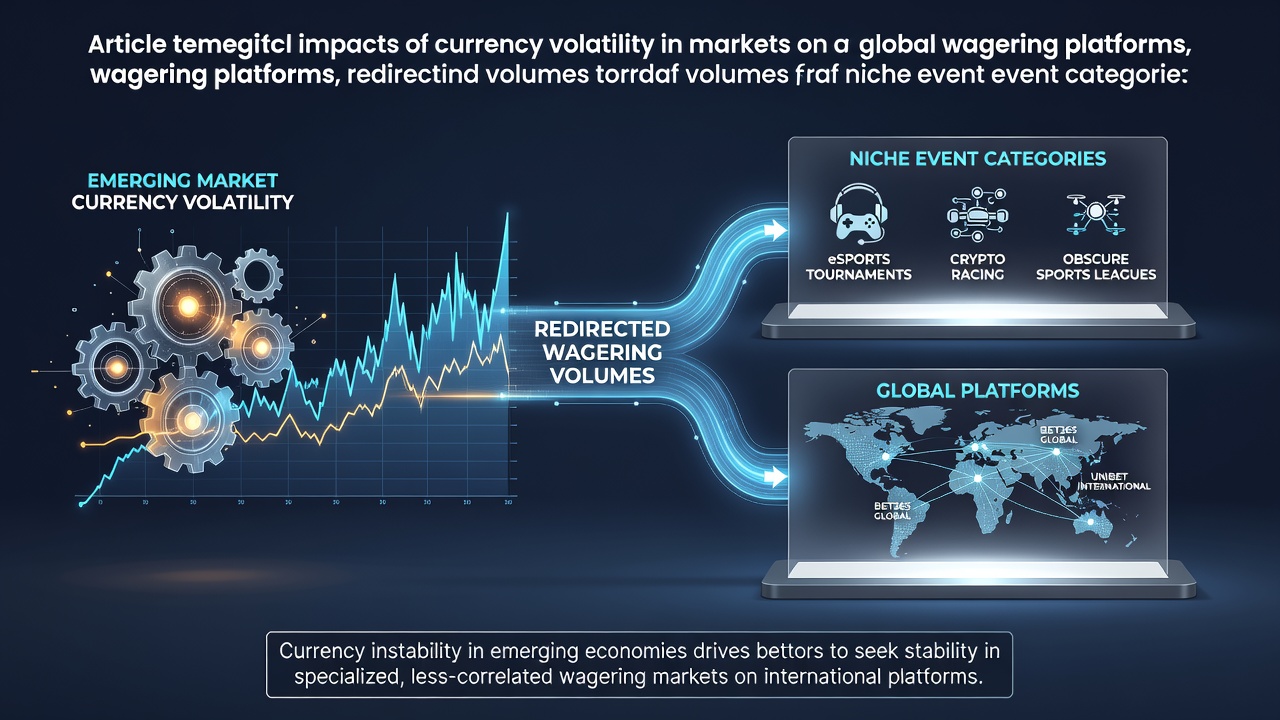
Currency Volatility in Emerging Markets Shifts Wagering Volumes Toward Niche Event Categories on Global Platforms
Currency volatility in emerging markets has created measurable shifts in how participants allocate wagering funds across global platforms, with volumes moving away from traditional high-stakes categories and into niche event types that offer different risk profiles and settlement speeds. Data from multiple regions shows this redirection occurring as local currencies experience rapid swings against major reserve currencies, altering the real-world value of deposits and potential returns for users in countries such as Argentina, Turkey, Brazil, and South Africa.
Understanding the Mechanism of Currency Impact on Wagering
Exchange rate fluctuations directly affect the purchasing power of local currency deposits when converted to platform base currencies like the US dollar or euro. A sudden depreciation means that a fixed local amount buys fewer betting credits, prompting participants to seek events with lower minimum stakes or faster resolution times that allow quicker reallocation of funds. Research from the Asian Institute of Gambling Studies indicates that periods of heightened volatility correlate with increased activity in categories such as virtual sports simulations and esports tournaments rather than major league football or basketball matches.
Platforms report that users adjust their selection patterns within weeks of significant currency movements, favoring events whose outcomes resolve in under an hour and whose odds structures remain relatively stable regardless of broader market conditions. This behavior appears across multiple operators serving international audiences, with transaction logs revealing consistent patterns in regions experiencing double-digit monthly inflation or currency devaluation.
Observed Patterns in Specific Emerging Markets
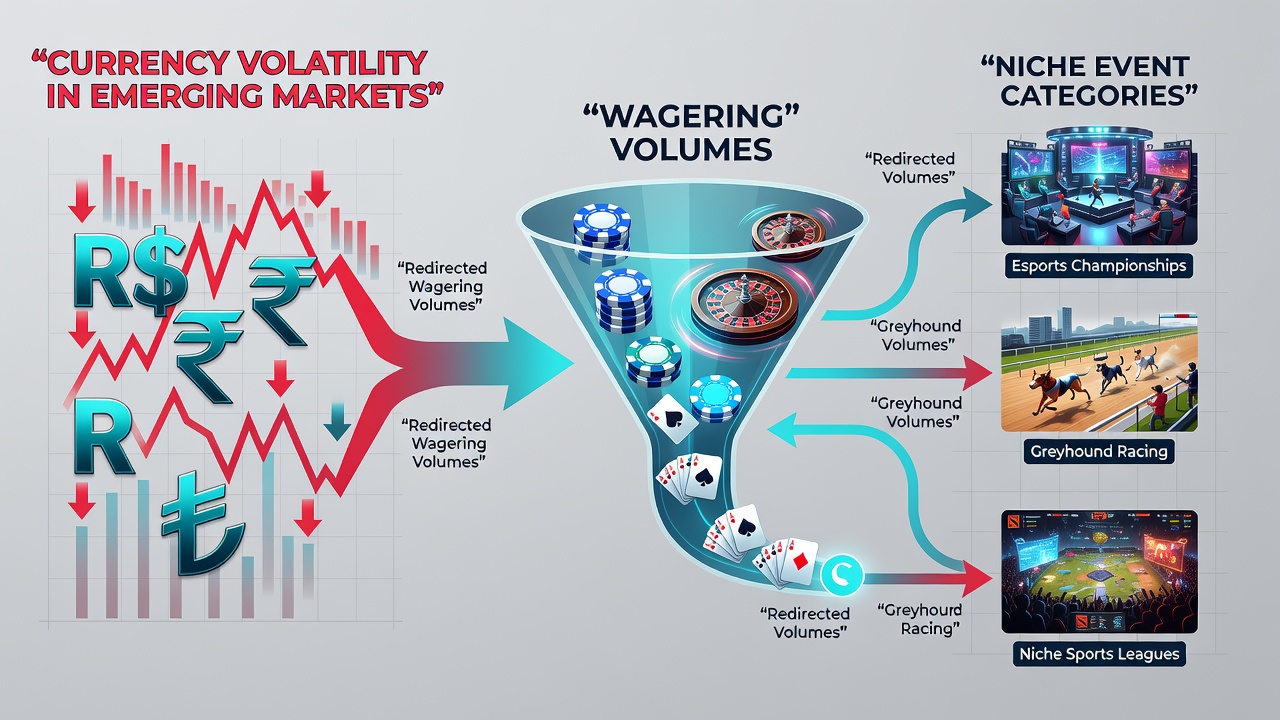
In Argentina, where the peso has undergone repeated sharp adjustments, platform data shows elevated participation in table tennis and badminton micro-events that allow small, repeated wagers without requiring large upfront commitments. Similar trends have emerged in Turkey following lira movements, where users increasingly engage with niche motorsport categories and virtual horse racing instead of traditional football leagues. Brazilian users demonstrate parallel shifts toward esports titles during periods when the real weakens against the dollar, according to figures compiled by the Latin American Gaming Research Consortium.
These adjustments occur because niche categories often feature shorter event cycles and more granular betting options, enabling participants to maintain activity levels even when overall deposit values fluctuate. Global platforms facilitate this redirection through unified account systems that handle multiple currency conversions automatically, reducing friction for users who might otherwise withdraw during unstable periods.
Platform Adaptations and Category Performance Data
Operators have responded by expanding offerings in niche segments that align with these user behaviors, including additional virtual reality sports simulations and specialized esports circuits. Transaction records indicate that volumes in these categories from emerging market IP addresses rose noticeably between late 2025 and June 2026, coinciding with documented currency pressures in multiple jurisdictions. Industry reports from the Singapore Gambling Regulatory Authority highlight that platforms maintaining diverse event libraries retain higher user retention rates during volatility spikes compared with those focused primarily on mainstream sports.
Settlement speed plays a documented role, as categories with rapid outcomes allow participants to realize gains or losses before further currency movements erode value. This dynamic appears in academic analyses from the University of Melbourne's Centre for Gambling Research, which tracked session patterns across several international operators and found measurable migration toward quicker-resolution events during currency stress periods.
Regulatory and Infrastructure Factors
Regulatory environments in source countries influence how these shifts manifest, with some jurisdictions imposing transaction reporting requirements that add complexity during volatile periods. Participants navigate these requirements by concentrating activity in categories that require smaller individual transactions spread across multiple events. Cross-border platforms accommodate this through standardized compliance protocols that do not differentiate by event type, enabling the observed redirection without additional barriers.
Infrastructure improvements in payment processing have further supported these patterns by reducing conversion delays, allowing users to move funds into niche categories more efficiently than in previous years. Reports compiled through June 2026 show continued growth in these redirected volumes even as some emerging market currencies stabilized temporarily, suggesting the behavior has become embedded in user strategies rather than representing a temporary response.
Conclusion
Currency volatility in emerging markets continues to influence wagering allocation patterns on global platforms, with data consistently showing increased activity in niche event categories that offer faster cycles and adaptable stake sizes. These shifts reflect practical responses to exchange rate realities rather than changes in underlying preferences, and they appear across multiple regions and operator types. Ongoing monitoring by research institutions and regulatory bodies will clarify whether these patterns persist as currency conditions evolve.