Cross-Border Transaction Preferences Shaping Global Reach for Digital Gambling Services
Written by Theo Jung · Jul 20, 2026
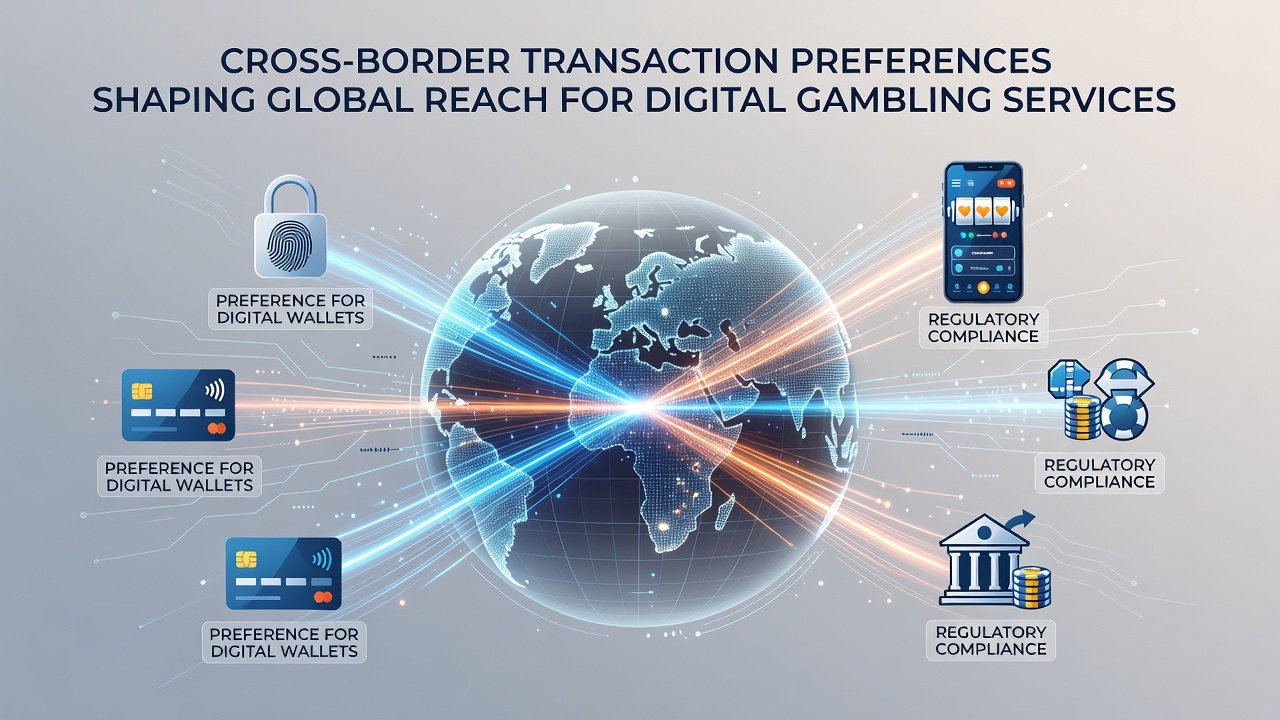
Cross-Border Transaction Preferences Shaping Global Reach for Digital Gambling Services
Data from multiple regulatory bodies shows that cross-border transaction preferences continue to determine which digital gambling services expand successfully into new markets, with operators adapting payment systems to match regional habits rather than imposing uniform solutions. Payment methods vary sharply by geography, and those variations affect approval rates, processing times, and user retention in ways that directly influence market penetration.
European markets demonstrate clear preferences for localized bank transfers and e-wallets, while Asian and Latin American regions show higher adoption of cryptocurrency options and mobile money services. Research conducted through 2025 and into July 2026 indicates that platforms offering multiple currency settlement paths record higher completion rates on international deposits compared with those limited to single-currency gateways.
Regional Payment Method Patterns
Observers tracking transaction data across borders note that users in the Netherlands and Germany frequently select iDEAL and Giropay for their speed and integration with local banking apps, whereas Australian participants show continued reliance on POLi and BPAY systems. These choices stem from established trust in domestic financial infrastructure, and operators entering those markets must integrate the preferred rails or face reduced conversion. In contrast, participants in parts of Southeast Asia and Africa demonstrate growing use of cryptocurrency wallets, driven by volatility concerns with local currencies and restrictions on traditional banking channels for gambling-related transfers.
Studies released by industry associations reveal that digital gambling platforms supporting crypto options in these regions achieve deposit success rates up to 30 percent higher than those relying solely on card or wire methods. The pattern holds because cross-border card transactions often trigger additional verification layers or outright blocks under anti-money laundering rules that differ from one jurisdiction to another.
Regulatory Influences on Transaction Flows
Government policies shape these preferences through licensing conditions and payment gateway rules. The European Union’s Payment Services Directive framework requires strong customer authentication for many cross-border moves, which has pushed operators toward e-wallets that already comply with those standards. Meanwhile, Canadian provincial regulators and Australian state authorities maintain separate reporting requirements that affect how quickly funds clear when users move money from one country to another.
According to reports from the European Gaming and Betting Association, platforms that pre-configure their systems for multi-jurisdictional compliance see faster onboarding of users from neighboring countries. This preparation reduces friction during the first transaction, a critical moment for retention. Platforms without such preparation encounter higher abandonment rates when users encounter unexpected verification steps or currency conversion fees.
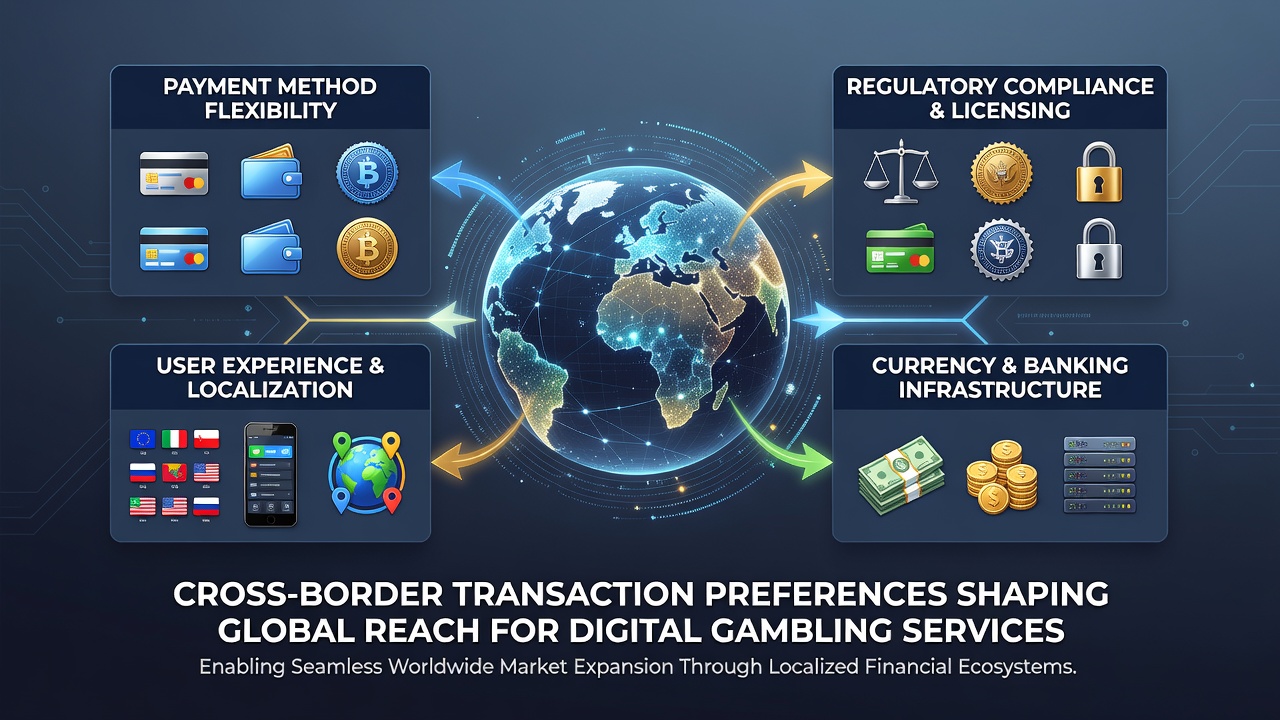
Impact on Market Expansion Strategies
Operators planning international growth now evaluate transaction preference data before selecting target markets. Those who analyze settlement speed, fee structures, and regulatory acceptance in advance adjust their product offerings accordingly. For instance, services entering Latin American markets have incorporated local instant payment systems such as PIX in Brazil, resulting in measurable increases in active user counts within months of launch.
Data compiled through mid-2026 shows that platforms offering localized payment options alongside standard international methods maintain broader geographic reach. The combination allows users to choose familiar rails while still providing fallback options for travelers or expatriates. Companies that ignore these patterns often limit their growth to regions where their existing payment stack already functions smoothly.
Technology and Infrastructure Developments
Advances in real-time settlement technology have begun to reduce some of the delays historically associated with cross-border gambling transactions. Several major processors introduced instant payout features for select corridors in 2025, and adoption continued through July 2026. These improvements matter because users who experience quick withdrawals tend to return more frequently, regardless of the deposit method originally chosen.
Yet infrastructure gaps remain in certain corridors. Markets with limited banking connectivity still rely on intermediary services that add cost and time. Observers note that operators investing in direct integrations with regional fintech providers gain measurable advantages in user acquisition over those depending on third-party aggregators.
Conclusion
Cross-border transaction preferences continue to act as gatekeepers for digital gambling services seeking wider global audiences. Platforms that map regional habits, align with local regulations, and adopt flexible settlement technology record stronger expansion outcomes than those applying standardized approaches. As payment ecosystems evolve, the ability to match user expectations across borders remains a central factor in determining which services achieve sustained international presence.