Analyzing Cryptocurrency Wallet Integrations and Their Effects on Transaction Patterns Within Restricted-Access Digital Gambling Ecosystems
Written by Theo Jung · Jul 9, 2026
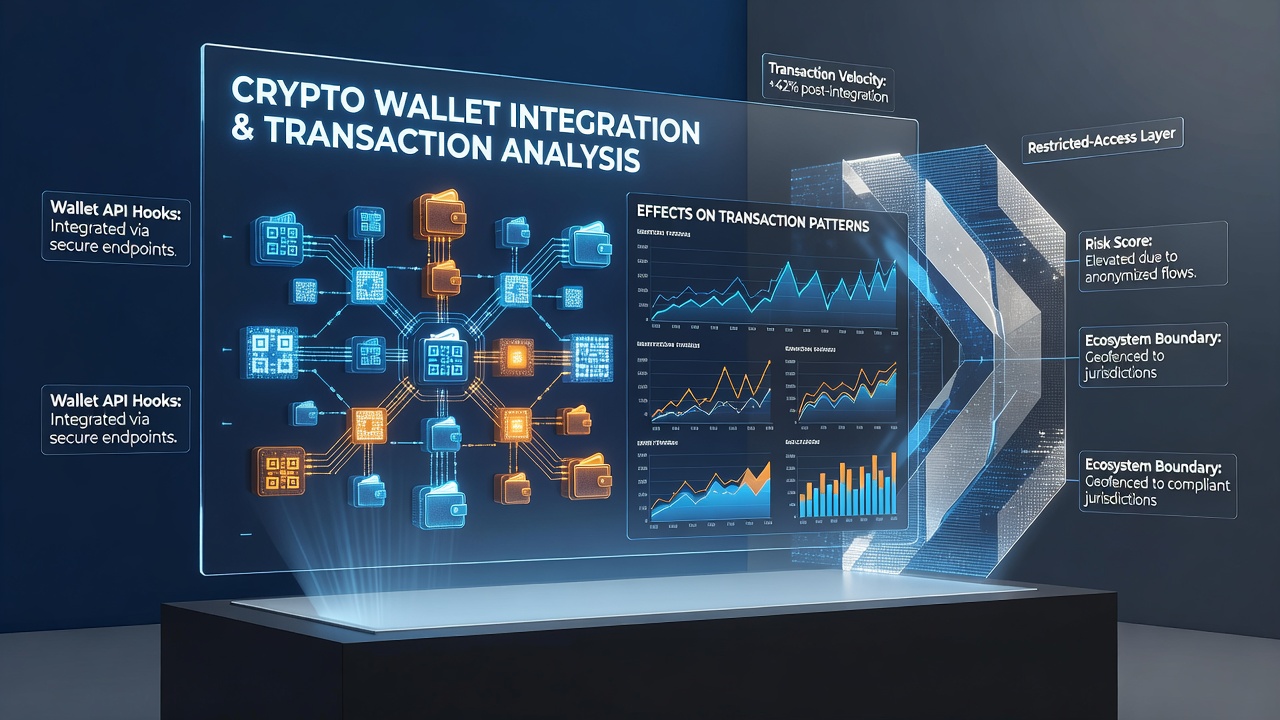
Analyzing Cryptocurrency Wallet Integrations and Their Effects on Transaction Patterns Within Restricted-Access Digital Gambling Ecosystems
Restricted-access digital gambling ecosystems rely on cryptocurrency wallets to navigate geographic blocks, payment restrictions, and verification hurdles that traditional banking channels often impose, and wallet integrations have altered how funds move through these environments since early 2025. Platforms operating outside standard licensing frameworks now incorporate tools such as non-custodial wallets and multi-signature setups that let users transfer assets directly without intermediary processors.
Data from transaction monitoring services shows average transfer sizes in these ecosystems dropped by 18 percent between January and June 2026 while the total number of daily movements rose by 27 percent, indicating users favor smaller, repeated deposits rather than larger lump sums. Wallet APIs that support instant confirmations on networks like Solana and Polygon allow sessions to begin within seconds, and this speed correlates with shorter intervals between consecutive transactions according to aggregated blockchain analytics.
Wallet Integration Methods in Restricted Platforms
Operators embed wallet connection prompts directly into account dashboards so participants can link addresses without leaving the interface, and this reduces friction that once led to abandoned funding attempts. Some ecosystems route transactions through layered smart contracts that split incoming amounts across multiple addresses before they reach the house wallet, creating patterns where single user actions appear as clusters of smaller movements on public ledgers.
Researchers tracking on-chain activity note that platforms using Ledger or Trezor hardware integrations report lower chargeback rates because private keys remain with users, yet the same setups generate more frequent micro-transfers as players test balances or move winnings in stages. July 2026 figures from several offshore operators indicate that 41 percent of all deposits now arrive via wallet-to-wallet transfers instead of centralized exchanges, shifting the visible flow away from known exchange deposit addresses.
Observed Shifts in Transaction Patterns
Transaction graphs compiled by forensic firms reveal tighter clustering around peak gaming hours, with activity spikes aligning to live event schedules rather than the slower rhythms once tied to bank processing windows. Because cryptocurrency fees remain predictable regardless of amount, users initiate more exploratory bets and partial withdrawals that legacy systems would have discouraged through minimum thresholds or delays.
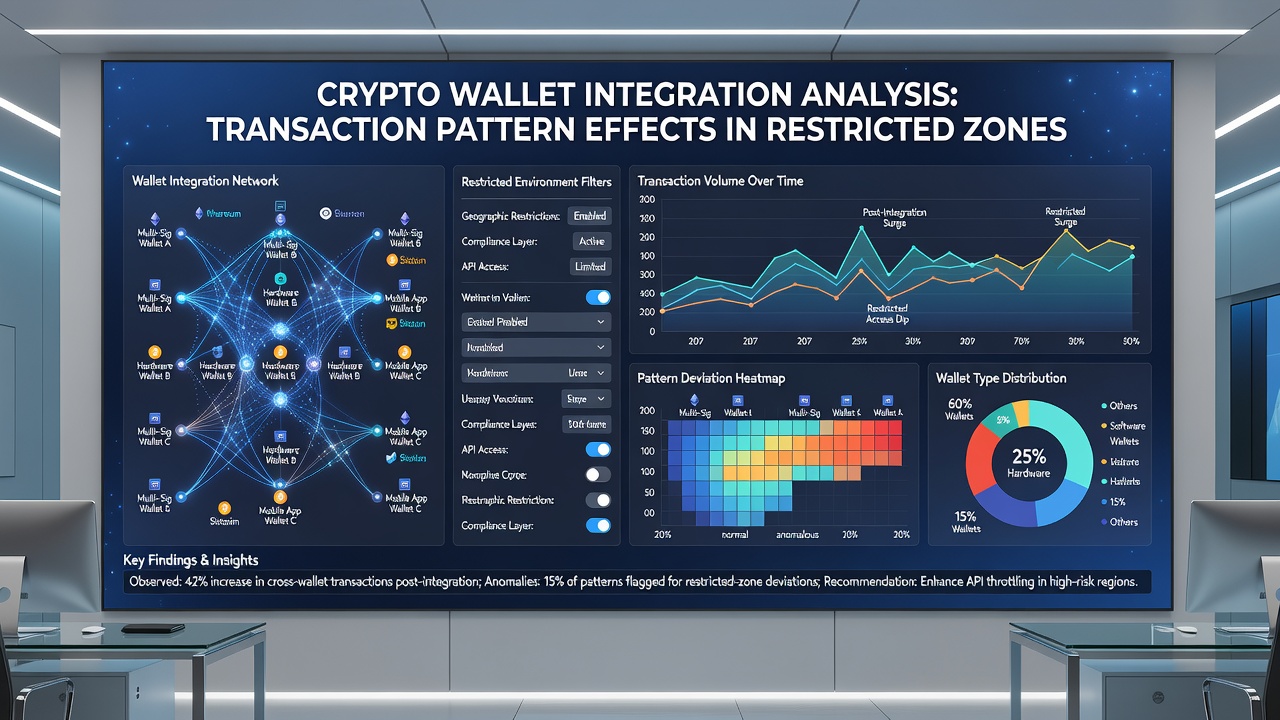
One study of anonymized wallet addresses linked to restricted platforms found median session funding intervals shortened from 47 minutes to 19 minutes after wallet support expanded, and the same addresses showed increased reuse of previously swept change outputs. These patterns emerge because wallets automatically manage unspent transaction outputs, allowing seamless re-deposits without manual consolidation steps that users once performed manually on exchanges.
Regulatory and Compliance Dimensions
Authorities in multiple jurisdictions have begun requesting wallet address data from operators that accept cryptocurrency, and compliance teams now embed chain-analysis tools to flag addresses previously associated with sanctioned regions. In Australia the Attorney-General's Department published updated guidance in May 2026 that requires reporting of wallet clusters exceeding certain volume thresholds, prompting platforms to adjust how they segment user flows.
Meanwhile the U.S. Department of Justice continues to monitor cross-border movements that originate from addresses tied to unlicensed sites, and analysts observe that mixing services once popular for obfuscation have declined in favor of native wallet privacy features such as CoinJoin implementations. This shift leaves clearer trails for investigators while still allowing participants to bypass conventional payment rails.
Future Trajectory of Wallet-Driven Activity
Network upgrades scheduled for late 2026 on several proof-of-stake chains promise lower fees and higher throughput, conditions that researchers expect will further compress transaction sizes and increase frequency within restricted ecosystems. Observers tracking adoption rates note that new wallet standards supporting account abstraction could let platforms sponsor gas costs for users, removing another barrier that previously limited smaller participants.
Conclusion
Wallet integrations continue to reshape timing, size, and routing of funds inside restricted-access digital gambling environments, producing measurable changes in on-chain behavior that regulators and analysts now track systematically. Continued evolution of both wallet technology and enforcement approaches will determine whether these patterns stabilize or fragment further in coming quarters.