Algorithmic Recommendations and Discovery Patterns in Emerging Digital Betting Platforms
Written by Olivia Lange · Jun 15, 2026
Algorithmic Recommendations and Discovery Patterns in Emerging Digital Betting Platforms
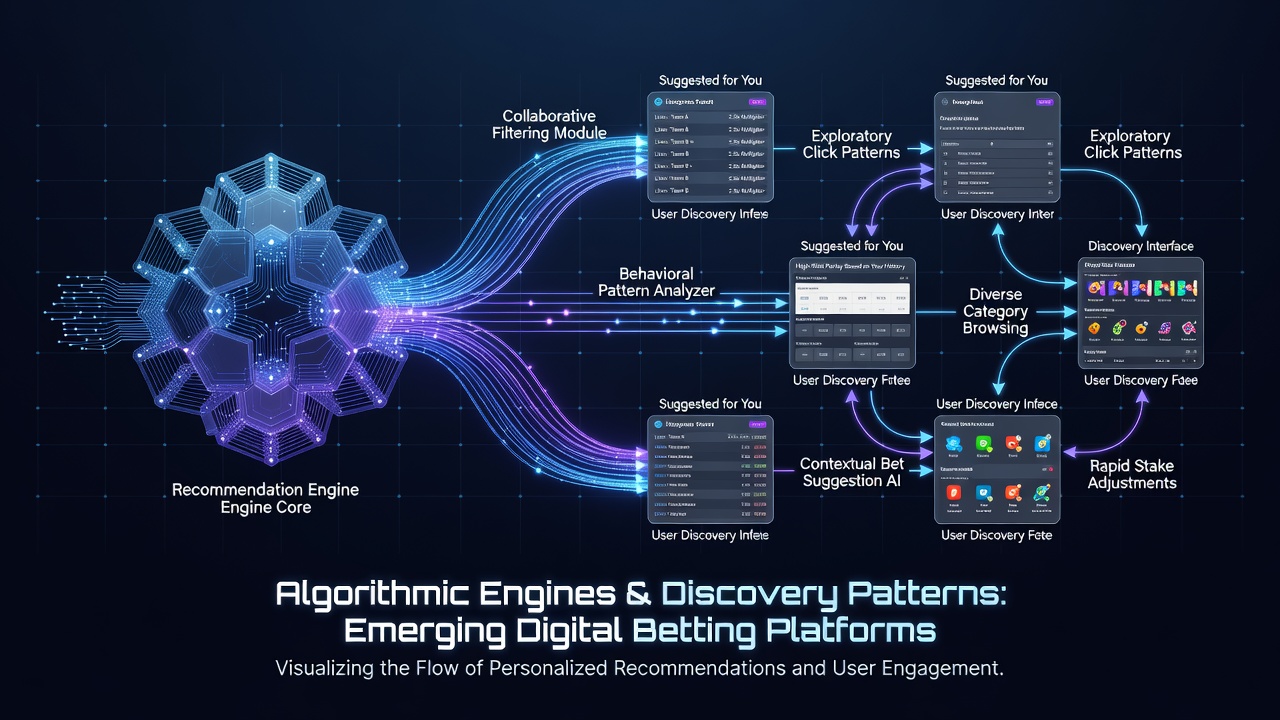
Algorithmic recommendation engines have become central to how users encounter new betting options on digital platforms, and these systems draw from behavioral data to surface content that aligns with past activity. Emerging platforms in regions like North America and parts of Asia rely on machine learning models that process wagering history, session duration, and navigation clicks to generate personalized suggestions. Those models often prioritize high-engagement titles or events, which in turn shapes the range of options users first notice when they open an app or site.
Mechanics Behind Recommendation Systems
Recommendation engines operate through collaborative filtering, content-based analysis, and hybrid approaches that combine both methods. Collaborative filtering identifies similarities across large user groups, while content-based systems examine attributes such as sport type, odds format, or game mechanics. Hybrid models blend these signals and update in real time as fresh data arrives. Observers note that platforms release feature updates on staggered schedules, and one such cycle occurred in June 2026 when several operators introduced refined ranking layers that incorporated live event momentum indicators.
These updates allow engines to weigh recent performance trends more heavily, so users see suggestions tied to ongoing matches rather than static catalogs. Data from industry reports shows that such adjustments correlate with shifts in the order of displayed options, though the exact weighting formulas remain proprietary.
User Discovery Patterns Across Platforms
Discovery patterns emerge when users repeatedly select from algorithm-curated lists instead of searching independently. Research indicates that many participants begin sessions by scrolling through recommended sections before exploring broader menus. This behavior concentrates activity around a narrower set of events or games, while less-promoted options receive fewer impressions. Studies from academic sources have tracked click-through rates on recommended versus organic listings, and the results reveal higher initial engagement with algorithm-generated items.
Patterns also differ by platform age. Newer entrants often seed their engines with broader initial suggestions to build data profiles quickly, whereas established operators refine outputs based on months of accumulated user signals. Those who've examined session logs across multiple apps find that discovery tends to cluster around popular leagues or slot themes, creating feedback loops where high-traffic items gain further visibility.
Regional Variations and Data Sources
Platforms operating under different regulatory frameworks display distinct recommendation strategies. In jurisdictions overseen by the Illinois Gaming Board, operators must maintain transparent audit trails for promotional content, which indirectly influences how recommendation rankings are presented. Meanwhile, reports from the Australian Institute of Criminology highlight how localized data privacy rules affect the granularity of behavioral inputs available to engines. These constraints lead some platforms to rely more on anonymized aggregate trends rather than individual histories.
Figures released by the American Gaming Association in mid-2026 documented steady growth in mobile discovery sessions, with recommendation-driven selections accounting for a measurable share of first-time wagers on newer apps. Such statistics underscore the role algorithms play in guiding users toward unfamiliar offerings without requiring manual searches.
Impact on Emerging Platforms
Emerging platforms integrate recommendation layers early in development to accelerate user retention. Because these systems can surface niche markets or lesser-known events based on inferred preferences, they expand the effective catalog without overwhelming new registrants. Analysts at research institutions have observed that platforms launching after 2025 often embed A/B testing frameworks directly into their engines, allowing rapid iteration on suggestion formats.
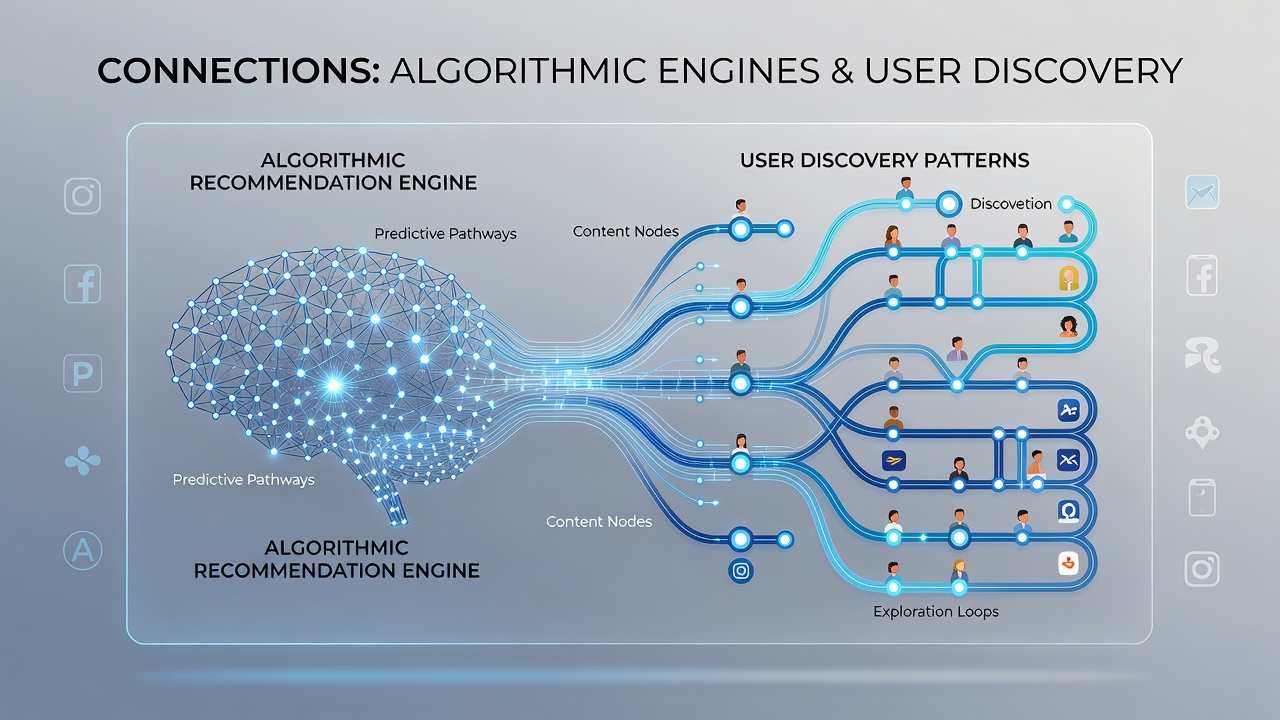
Connections between engine outputs and discovery become most visible when comparing cohort behavior. One cohort exposed to aggressive personalization shows faster adoption of secondary categories, while another group given neutral listings explores at a slower pace. These differences appear consistently in anonymized telemetry shared during industry conferences.
Conclusion
Algorithmic recommendation engines continue to shape discovery patterns by prioritizing certain content based on aggregated user signals, and this dynamic holds across both mature and emerging digital betting platforms. Data from regulatory bodies and academic studies demonstrates measurable effects on session composition and option visibility. As platforms refine these systems through periodic updates, including those rolled out around June 2026, the interplay between engine logic and user navigation remains a central feature of the digital wagering environment.